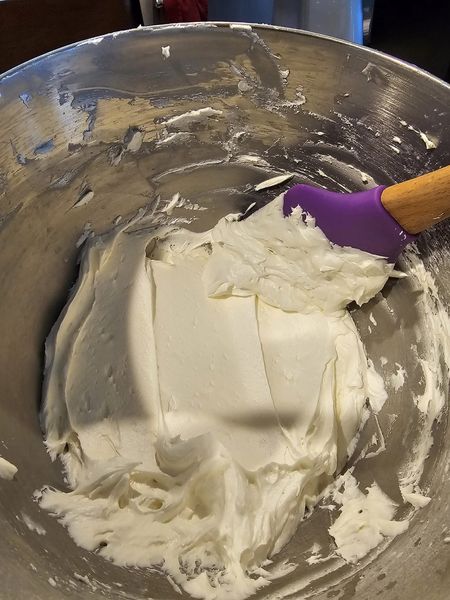
Swiss Meringue Buttercream is a smooth, silky, and luxurious frosting made with egg whites, granulated sugar, unsalted butter, and vanilla extract. Unlike traditional American buttercream, which is usually made with powdered sugar, this recipe begins by gently heating egg whites and sugar together before whipping them into a glossy meringue. Softened butter is then gradually added to create a light, creamy frosting with a beautiful texture.
This homemade Swiss Meringue Buttercream is perfect for decorating birthday cakes, wedding cakes, cupcakes, layer cakes, and other special desserts. It spreads smoothly, holds its shape beautifully when piped, and offers a balanced sweetness that complements a wide variety of baked goods. Although it may sound like a professional bakery technique, it is achievable at home with a few simple ingredients and the right method.
Why You Will Love This Swiss Meringue Buttercream
One of the best things about Swiss Meringue Buttercream is its silky texture. The combination of whipped egg whites and butter creates a frosting that feels light and creamy rather than overly sugary. It is especially useful when you want an elegant finish for celebration cakes or decorative cupcake swirls.
This buttercream is also highly versatile. You can keep it classic with vanilla extract, add melted chocolate for a chocolate version, or incorporate fruit purée, citrus zest, or other suitable flavorings. Its smooth consistency makes it excellent for coating cakes, creating decorative borders, and piping flowers.
Another advantage is that the frosting can be prepared ahead of time. With proper storage and handling, it is convenient for birthdays, holidays, weddings, and weekend baking projects. Once you understand how to prepare the meringue and incorporate the butter correctly, this recipe becomes a dependable addition to your baking collection.
What Is Swiss Meringue Buttercream?
Swiss Meringue Buttercream is a type of frosting made by heating egg whites and sugar together over a saucepan of simmering water. The mixture is then whipped until it forms a glossy, stable meringue. Softened butter is gradually beaten into the meringue, producing a smooth and fluffy buttercream.
The gentle heating process helps dissolve the sugar and brings the egg-white mixture to a safer temperature when prepared with a thermometer and appropriate food-safety practices. This method differs from French buttercream, which uses egg yolks, and Italian Meringue Buttercream, which incorporates hot sugar syrup into whipped egg whites.
Swiss Meringue Buttercream is particularly popular among cake decorators because it is smooth, less sweet than many powdered-sugar frostings, and suitable for creating clean cake finishes. It may look soft or curdled during mixing, but patience and correct temperature management usually help it come together.
Ingredients for Swiss Meringue Buttercream
- 5 large egg whites: Egg whites create the meringue base and give the frosting its light texture. Use fresh eggs or pasteurized egg whites specifically labeled as suitable for whipping.
- 1¼ cups granulated sugar: Sugar sweetens the frosting and stabilizes the meringue. It must dissolve completely during heating.
- 2 cups unsalted butter: Butter provides richness, smoothness, and structure. Cut it into small pieces and allow it to soften until cool and pliable.
- 2 teaspoons vanilla extract: Vanilla adds a classic flavor that pairs well with cakes, cupcakes, and other desserts.
- A small pinch of salt, optional: Salt can help balance the sweetness and enhance the overall flavor.
For the best results, measure the ingredients carefully. The temperature of the butter and meringue is especially important because buttercream can become soupy or appear curdled when the ingredients are too warm or too cool.
Equipment You Will Need
You will need a heatproof mixing bowl, a saucepan, a stand mixer or electric hand mixer, a whisk, a rubber spatula, and a kitchen thermometer. A clean bowl is essential because grease can prevent egg whites from whipping properly.
A stand mixer is convenient for this recipe because whipping the meringue can take several minutes. However, a hand mixer can also work if you are comfortable mixing for longer. A thermometer is strongly recommended to help you monitor the egg-white and sugar mixture accurately.
How to Make Swiss Meringue Buttercream
Step 1: Prepare the Double Boiler
Fill a saucepan with a small amount of water and bring it to a gentle simmer. Place a clean, heatproof mixing bowl over the saucepan, making sure the bottom of the bowl does not touch the water.
Add the egg whites and granulated sugar to the bowl. Whisk continuously as the mixture warms. This gentle heating method helps dissolve the sugar without cooking the egg whites too quickly.
Step 2: Heat the Egg Whites and Sugar
Continue whisking until the sugar dissolves completely and the mixture reaches approximately 160°F (71°C), measured with a food thermometer. Follow the guidance for your specific eggs or pasteurized egg-white product, since safe handling and heating requirements can vary.
To check whether the sugar has dissolved, carefully rub a small amount of the mixture between two clean fingers after removing a little from the heat and allowing it to cool enough to touch. It should feel smooth rather than grainy. Avoid touching the hot mixture directly.
Step 3: Whip the Meringue
Carefully transfer the hot mixture to the bowl of a stand mixer fitted with the whisk attachment, if you used a separate heatproof bowl. Beat on medium-high speed until the mixture becomes thick, glossy, and forms stiff peaks.
Continue whipping until the outside of the mixing bowl feels close to room temperature. This step is important because adding butter while the meringue is still hot can cause the frosting to become runny.
Depending on your mixer, this process may take around 8–15 minutes or longer. Allow the meringue enough time to cool rather than rushing to the next step.
Step 4: Add the Butter Gradually
Switch to the paddle attachment if using a stand mixer. With the mixer running at medium speed, add the softened butter one piece at a time. Allow each addition to incorporate before adding more.
The mixture may look loose, lumpy, or curdled as the butter is added. This is common and does not necessarily mean the recipe has failed. Continue mixing patiently while monitoring the temperature of the ingredients.
Once all the butter has been added, keep beating until the buttercream becomes smooth, creamy, and cohesive. If it remains soupy, the mixture may be too warm. If it looks curdled and feels cool, it may be too cold. Adjusting the temperature gently usually helps restore the correct consistency.
Step 5: Add the Vanilla
Add the vanilla extract and optional pinch of salt. Mix on low speed until evenly combined. Avoid adding too much liquid flavoring because excess liquid can affect the frosting’s texture.
For an extra-smooth finish, mix the buttercream on low speed for a few minutes with the paddle attachment. This helps remove some large air bubbles and makes the frosting easier to spread on cakes.
Step 6: Use or Store the Buttercream
Your Swiss Meringue Buttercream is ready when it looks silky, holds soft decorative details, and spreads easily. Use it immediately to frost cooled cakes or pipe onto cupcakes.
If you are preparing it ahead of time, transfer it to a clean airtight container and refrigerate it. Before using refrigerated buttercream, allow it to soften and then beat it again until smooth. If necessary, adjust the temperature gradually to achieve a spreadable consistency.
Tips for Perfect Swiss Meringue Buttercream
Use a clean mixing bowl. Any grease or traces of egg yolk can interfere with the formation of a stable meringue. Clean and dry all equipment before starting.
Dissolve the sugar completely. Grainy sugar can create an unpleasant texture. Whisk continuously over the simmering water and check that the mixture is smooth.
Cool the meringue before adding butter. This is one of the most important steps. Warm meringue can melt the butter and produce a thin frosting.
Use the correct butter consistency. Butter should be soft enough to blend but not melted or oily. Butter that is too cold may produce a curdled-looking mixture.
Be patient during mixing. Swiss Meringue Buttercream often changes appearance several times before becoming smooth. Continue mixing and make small temperature adjustments when necessary.
Avoid overheating the buttercream. If it becomes runny, stop mixing briefly and allow the bowl to cool before beating again. Avoid adding large amounts of extra butter or sugar to correct the texture.
Common Swiss Meringue Buttercream Problems
Why Is My Buttercream Soupy?
Buttercream often becomes soupy when the meringue is too warm or the butter is overly soft. Stop mixing and cool the bowl briefly, then beat again. If the mixture remains warm, a short period in the refrigerator followed by further mixing may help.
Why Does My Buttercream Look Curdled?
A curdled appearance often means the butter and meringue are at different temperatures. If the mixture feels cool, gently warm the outside of the mixing bowl for a few seconds while mixing. If it feels warm and loose, cool it slightly instead.
Why Is My Buttercream Grainy?
Graininess may occur when the sugar has not dissolved completely during the heating stage. Whisk the egg whites and sugar thoroughly over gentle heat before whipping. Once the buttercream is assembled, large undissolved sugar crystals may be difficult to correct.
Why Is My Buttercream Too Soft for Piping?
The frosting may be too warm or insufficiently mixed. Chill it briefly if necessary, then beat again until it holds its shape. For the best piping results, use buttercream that is smooth, cool, and firm enough to maintain its decorative edges.
Flavor Variations
Chocolate Swiss Meringue Buttercream: Add melted chocolate that has cooled to a suitable temperature. Mix it in gradually to avoid melting the buttercream.
Strawberry Swiss Meringue Buttercream: Add a small amount of concentrated strawberry flavoring or carefully prepared strawberry reduction. Avoid excess liquid, which can make the frosting unstable.
Lemon Swiss Meringue Buttercream: Add finely grated lemon zest and a small amount of lemon extract for a fresh citrus flavor.
Coffee Swiss Meringue Buttercream: Mix in a small amount of cooled, concentrated coffee or espresso powder dissolved in minimal liquid.
Almond Swiss Meringue Buttercream: Replace some of the vanilla flavoring with almond extract, using a small quantity because almond extract can be strong.
How to Use Swiss Meringue Buttercream
This frosting works beautifully on vanilla cake, chocolate cake, red velvet cake, and layered sponge cakes. Its smooth texture is also ideal for cupcakes, piped rosettes, decorative borders, and simple cake designs.
Use it to create a thin crumb coat before applying a final layer of frosting. A cake scraper can help produce smooth sides, while a small offset spatula is useful for spreading the buttercream evenly across the top.
For the cleanest results, make sure the cake layers are completely cool before decorating. Warm cake can soften the buttercream and make it difficult to achieve a neat finish.
Storage Instructions
Refrigerator: Store Swiss Meringue Buttercream in an airtight container in the refrigerator for up to 5 days for best quality. Keep it chilled and follow appropriate food-safety guidance for recipes containing eggs and dairy.
Freezer: For longer storage, freeze the buttercream in a well-sealed, freezer-safe container for up to 2 months for best quality. Label the container with the preparation date.
Before using: Thaw frozen buttercream in the refrigerator. Bring refrigerated or thawed buttercream gradually toward a workable temperature, then beat it until smooth and creamy. It may appear separated at first but often comes together with continued mixing.
Frosted cakes: Storage requirements depend on the cake filling, additional ingredients, and room temperature. Refrigerate perishable cakes and avoid leaving egg- and dairy-based frosting at room temperature for extended periods.
Frequently Asked Questions
Is Swiss Meringue Buttercream Very Sweet?
Swiss Meringue Buttercream is generally less sweet-tasting than American buttercream because it has a smooth butter-based texture and does not rely on large quantities of powdered sugar. It still contains sugar, so the sweetness will depend on the recipe and serving size.
Can I Make Swiss Meringue Buttercream Without a Stand Mixer?
Yes. An electric hand mixer can work, although whipping the meringue may take longer and require more effort. A stand mixer is simply more convenient for maintaining consistent mixing.
Can I Color Swiss Meringue Buttercream?
Yes. Gel food coloring is usually a good choice because it adds color without introducing much liquid. Add a small amount at a time until you reach your preferred shade.
Can I Make It Ahead of Time?
Yes. Prepare the buttercream in advance and refrigerate or freeze it using the storage instructions above. Rewhip it before decorating to restore its smooth consistency.
Does Swiss Meringue Buttercream Hold Its Shape?
Yes, when prepared correctly, it can hold piped swirls, borders, and many decorative details. However, because it contains butter, it softens in warm conditions and should be kept at an appropriate temperature.
Conclusion
Swiss Meringue Buttercream is a beautiful homemade frosting that brings a smooth, silky finish to cakes and cupcakes. Although it requires attention to temperature and mixing, the method is straightforward once you understand how to prepare the meringue and incorporate the butter gradually.
With its balanced sweetness, creamy texture, and versatility, this recipe is ideal for birthday cakes, wedding cakes, cupcakes, and special homemade desserts. Follow the steps carefully, allow enough time for cooling, and be patient if the mixture looks curdled before coming together. The result is a delicious, professional-style buttercream that can elevate almost any baked treat.
Recipe Card
Recipe Name: Swiss Meringue Buttercream
Preparation Time: 20 minutes
Cooking Time: 10 minutes
Mixing and Cooling Time: 15–25 minutes
Total Time: Approximately 45–55 minutes
Yield: Approximately 4 cups, depending on mixing and ingredient volume
Category: Dessert, Frosting
Cuisine: European-inspired baking
Ingredients
- 5 large egg whites
- 1¼ cups granulated sugar
- 2 cups unsalted butter, softened but cool
- 2 teaspoons vanilla extract
- Pinch of salt, optional
Instructions
- Place egg whites and sugar in a clean heatproof bowl over gently simmering water.
- Whisk continuously until the sugar dissolves and the mixture reaches approximately 160°F (71°C), following suitable egg-safety guidance.
- Transfer the mixture to a mixer and whip until glossy, stiff peaks form and the bowl feels close to room temperature.
- Add softened butter gradually, mixing until incorporated.
- Continue beating until the buttercream becomes smooth and creamy.
- Add vanilla and optional salt, then mix until combined.
- Use immediately or store in an airtight container in the refrigerator.
Nutritional Information
Approximate nutrition per tablespoon, assuming about 64 tablespoons per batch:
- Calories: 80–95
- Fat: 8–10 g
- Carbohydrates: 2–3 g
- Protein: Less than 1 g
- Sugar: Approximately 2–3 g
Nutrition values vary with ingredient brands, exact measurements, and final yield. These estimates are provided for general information only.


