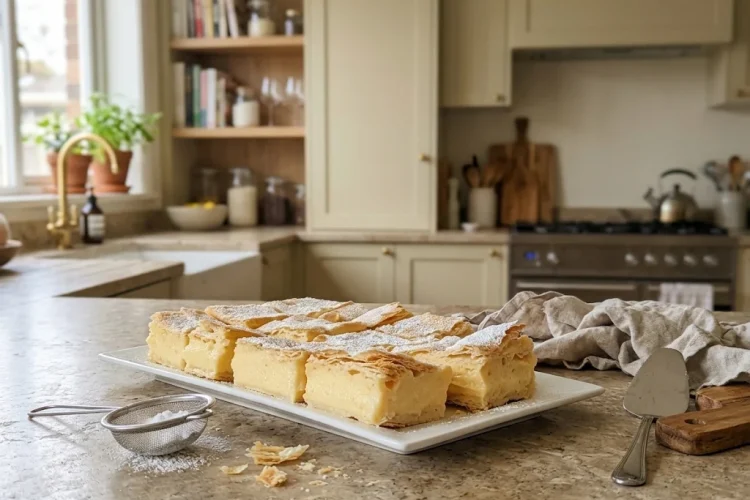
A homemade moist vanilla cake is one of the most timeless desserts you can prepare for birthdays, family gatherings, holidays, and special celebrations. With its soft, fluffy texture, delicate vanilla flavor, and smooth buttercream frosting, this classic layer cake is a wonderful choice whenever you want a reliable dessert that everyone will enjoy. Unlike complicated cakes that require special techniques or unusual ingredients, this easy vanilla cake recipe uses everyday baking essentials to create a beautiful homemade treat.
The secret to a delicious vanilla cake is achieving the right balance of moisture, sweetness, and tenderness. This recipe combines softened unsalted butter, granulated sugar, eggs, whole milk, and cake flour to create a light and delicate crumb. Vanilla extract provides the main flavor, while a small amount of almond extract adds a subtle bakery-style taste that makes the cake especially delicious. Every bite has a soft texture and rich flavor without feeling overly heavy.
Another reason to love this classic vanilla layer cake is its silky American buttercream frosting. Made with butter, powdered sugar, vanilla extract, and heavy cream, the frosting is smooth, fluffy, and easy to spread. It complements the mild sweetness of the cake without overpowering its vanilla flavor. Whether you prefer a simple homemade finish or an elegant decorated birthday cake, this recipe gives you a dependable foundation.
What Makes This Moist Vanilla Cake Special?
A good vanilla cake should be more than just sweet. It should have a tender crumb, balanced flavor, and enough moisture to remain enjoyable even after storage. This recipe brings these qualities together through a carefully balanced combination of ingredients and a straightforward mixing method. Using whole milk instead of sour cream makes the preparation simple while still producing a soft and satisfying cake.
The combination of butter and sugar is particularly important. When properly creamed, the butter traps tiny air pockets that help the cake rise during baking. Sugar contributes sweetness while also supporting the cake’s soft texture. Adding the eggs gradually helps create a smooth mixture, allowing the ingredients to combine properly before the flour and milk are introduced.
The addition of almond extract is another small detail that makes a noticeable difference. Its flavor is subtle rather than overpowering, giving the cake a familiar bakery-style taste. Combined with quality vanilla extract, it creates a classic flavor that works beautifully with the homemade buttercream frosting.
This Easy Vanilla Cake Recipe
One of the best features of this homemade vanilla cake is its simple preparation. You do not need complicated baking equipment or professional decorating skills to achieve excellent results. A stand mixer or electric hand mixer, two round cake pans, and a few basic kitchen tools are enough to prepare the batter and frosting.
The texture is another reason this cake deserves a place in your baking collection. Cake flour has a finer texture and lower protein content than regular all-purpose flour. This helps limit gluten development and produces a lighter, softer crumb. When combined with room-temperature ingredients and careful mixing, it creates a tender cake that is easy to slice and serve.
The homemade vanilla buttercream also makes this recipe especially versatile. Its smooth consistency allows you to spread it evenly between the layers, cover the outside of the cake, or create decorative piping. You can keep the decoration simple for everyday occasions or add colorful details for birthdays and celebrations.
Storage is another advantage. Properly covered cake can remain moist for several days. Refrigeration helps extend its storage time, while allowing individual slices to reach room temperature before serving brings back their soft texture and creamy frosting.
The Secret to Silky Vanilla Buttercream Frosting
A delicious layer cake needs frosting that complements its flavor and texture. American vanilla buttercream is a popular choice because it is easy to prepare, spreads smoothly, and holds its shape when piped. This version uses softened unsalted butter, powdered sugar, vanilla extract, and cold heavy cream.
Powdered sugar is essential for creating a smooth frosting because its fine texture blends easily into butter. Adding it gradually helps prevent a cloud of sugar from escaping the mixing bowl and allows the mixture to become evenly combined. Vanilla extract gives the frosting its familiar flavor, while heavy cream adds richness and helps create a light, fluffy consistency.
The final mixing stage is important. Whipping the frosting after incorporating the cream introduces air and makes it easier to spread. If you prefer a lighter-colored buttercream, clear vanilla extract can help reduce the natural color added by regular vanilla extract.
Professional Baking Tips for a Soft and Fluffy Cake
The quality of a homemade cake depends on more than the ingredients themselves. Preparation, ingredient temperature, mixing technique, and baking time all influence the final texture. Following a few simple baking practices can help you produce a moist vanilla cake with an even crumb and attractive layers.
Use room-temperature ingredients. Allow the butter, eggs, and milk to reach room temperature before preparing the batter. Ingredients at similar temperatures combine more easily and help form a stable mixture. Cold ingredients can cause the creamed butter to firm up, making it harder to achieve an evenly blended batter.
Measure ingredients accurately. Baking requires more precise measurements than many everyday cooking methods. A kitchen scale is particularly useful for measuring flour and sugar because small differences can affect the texture and moisture of the finished cake. If using measuring cups, avoid packing flour tightly into the cup.
Avoid overmixing. Once the flour is added, excessive mixing can develop too much gluten. This may result in a dense, chewy, or uneven cake. Mix only until the ingredients are combined, and finish folding gently by hand when necessary.
Prepare the cake pans properly. Greasing the pans and lining their bottoms with parchment paper helps prevent sticking. This makes removing the cake layers easier and reduces the chance of damaging their delicate edges.
Check the cake before removing it from the oven. Baking times can vary depending on the oven and whether you use convection or conventional heating. A toothpick inserted into the center should come out with a few moist crumbs rather than wet batter.
Delicious Ways to Customize Your Vanilla Cake
The classic vanilla flavor makes this cake an excellent starting point for different combinations. For chocolate lovers, replace the vanilla buttercream with chocolate fudge frosting. Lemon buttercream is another refreshing option that adds a bright citrus flavor to the mild sweetness of the cake.
You can also introduce a filling between the layers. Lemon curd, salted caramel sauce, mixed berry jam, and cherry preserves are all suitable choices. Spread a thin border of buttercream around the edge before adding a softer filling to help keep it inside the cake.
For a colorful celebration cake, fold up to ¾ cup of rainbow sprinkles into the batter before dividing it between the pans. Crushed chocolate sandwich cookies or mini chocolate chips can also provide extra texture. If you enjoy warm flavors, adding your favorite pumpkin spice, speculoos spice mix, or apple pie spice can give the cake a different character.
How to Store Homemade Vanilla Cake
Proper storage helps preserve the soft texture of the cake and prevents the buttercream from drying out. Once assembled, keep the cake covered in an airtight cake container or wrap it carefully with plastic wrap.
The cake can be kept at room temperature for short-term serving, provided the environment is cool and the frosting is handled appropriately. For longer storage, refrigerate it in a covered container for up to five days. The texture is generally best within the first three days.
You can also freeze the cake for longer storage. Chill it until the frosting becomes firm, wrap it securely in plastic wrap, and place it in a freezer-safe container. It can be frozen for up to three months. Thaw it in the refrigerator and allow it to come closer to room temperature before serving.
Frequently Asked Questions
What Is the Secret to Making a Moist Vanilla Cake?
The most important factors are accurate ingredient measurements, room-temperature ingredients, and avoiding overbaking. Whole milk and butter provide richness, while cake flour helps create a delicate crumb. Mixing the batter only until combined also prevents the cake from becoming tough or dense.
How Do I Keep Vanilla Cake Moist for Several Days?
Allow the cake to cool completely before frosting and storing it. Keep it covered in an airtight container to prevent exposure to air. Refrigeration can extend storage, but individual slices should be brought toward room temperature before eating for the best flavor and texture.
Can I Decorate This Cake for a Birthday?
Yes. This vanilla layer cake is an excellent birthday cake because its buttercream frosting is easy to spread and pipe. You can add colorful sprinkles, decorative rosettes, food coloring, or a simple message to suit the celebration.
Can I Make This Cake Ahead of Time?
Yes. You can bake the cake layers ahead of time, allow them to cool completely, and wrap them securely. Store them appropriately until you are ready to assemble the cake. Preparing the frosting and assembling the cake closer to serving time helps maintain its fresh texture.
How Should I Serve Moist Vanilla Cake?
For the best experience, serve the cake at room temperature. If it has been refrigerated, allow it to sit out briefly before slicing. This softens the buttercream and makes the cake’s delicate crumb more enjoyable.
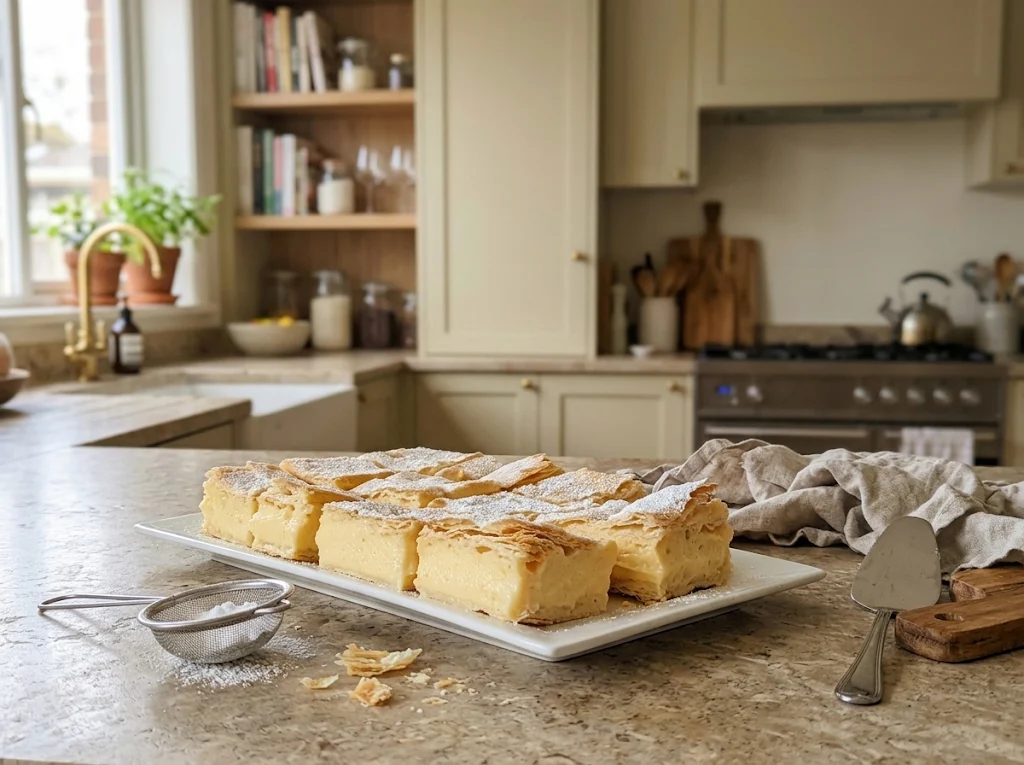
Moist Vanilla Cake Dessert
A classic homemade vanilla layer cake featuring a soft, fluffy crumb, delicate vanilla and almond flavor, and silky homemade vanilla buttercream frosting.
16
servings25
minutes18
minutes539
kcal60
minutes1
hour43
minutesIngredients
- For the Cake:
¾ cup unsalted butter, soft and pliable
1 ½ cups granulated sugar
2 large eggs
1 tablespoon vanilla extract
½ teaspoon almond extract
1 cup whole milk
2 ½ cups cake flour
1 teaspoon baking powder
½ teaspoon baking soda
1 ½ teaspoons kosher salt
- For the Vanilla Buttercream Frosting:
1 ½ cups unsalted butter, softened
6 ¼ cups powdered sugar, sifted if lumpy
2 teaspoons vanilla extract
⅓ cup heavy cream, cold
Directions
- Preparing the Cake
- Preheat the oven to 350°F. Grease two 9-inch round cake pans with non-stick cooking spray and line their bottoms with parchment paper.
- Sift together the cake flour, baking powder, baking soda, and kosher salt. Set aside.
- Beat the softened butter and granulated sugar using a stand mixer fitted with the paddle attachment until light and fluffy.
- Add the eggs, vanilla extract, and almond extract. Beat until fully combined, scraping down the sides and bottom of the bowl.
- Alternately incorporate the dry ingredients and whole milk, beginning and ending with the dry ingredients. Mix gently and avoid overmixing.
- Divide the batter evenly between the prepared cake pans.
- Bake for approximately 15–18 minutes, or until a toothpick inserted into the center comes out with a few moist crumbs.
- Cool the cakes in their pans for 10 minutes. Loosen the edges, turn them onto cooling racks, remove the parchment paper, and allow them to cool completely.
- Preparing the Buttercream Frosting
- Beat the softened butter in a stand mixer fitted with the paddle attachment until smooth and slightly lighter.
- Reduce the mixer speed to low and gradually add the powdered sugar, approximately ½ cup at a time.
- Add the vanilla extract and mix at medium speed until smooth.
- Change to the whisk attachment and gradually incorporate the cold heavy cream. Increase the speed and whip until the frosting becomes light, fluffy, and smooth.
- Assembling the Cake
- Place the first cake layer on a cake stand or serving plate. Spread approximately one cup of buttercream evenly over the top.
- Position the second cake layer on top and refrigerate for approximately 20 minutes.
- Spread the remaining buttercream over the top and sides of the cake. Smooth with a bench scraper or offset spatula, or decorate with your preferred piping design.
Notes
- Yield: One two-layer cake made with two 9-inch round cake layers.
- Room-temperature ingredients: Use room-temperature eggs, milk, and butter for better mixing and a tender cake.
- Avoid overmixing: Mix gently after adding the flour to prevent a dense cake.
- Presentation: Allow refrigerated cake to sit out briefly before serving for the best texture and frosting consistency.
- Decoration: Food coloring can be added to the cake batter or buttercream for birthday parties, baby showers, and gender reveal celebrations.
- Storage: Keep covered in an airtight cake container. Refrigerate for up to five days; the cake is best within three days.
- Freezing: Wrap the chilled cake securely in plastic wrap and freeze for up to three months.
Nutrition Facts
- Total number of serves: 16
- Calories: 539kcal
- Fat: 27g
- Carbohydrates: 71g
- Sugar: 56g
- Protein: 4g


