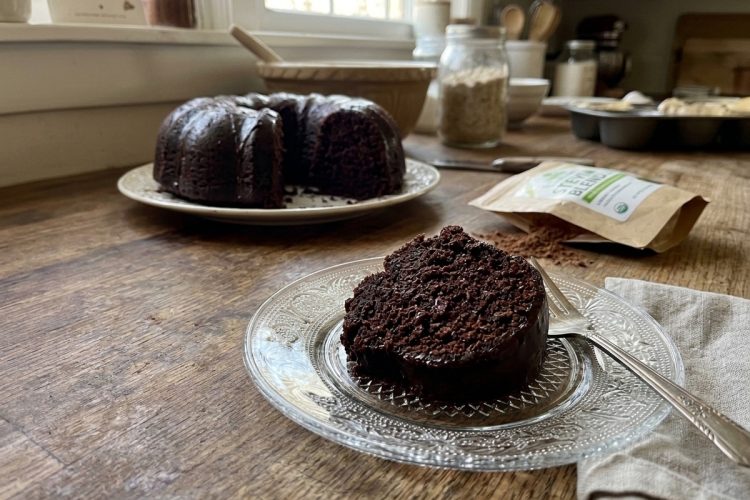
Diabetic Cake is a homemade dessert made with raisins, unsweetened applesauce, eggs, vegetable oil, flour, and a sugar substitute. It offers a soft texture, gentle sweetness, and plenty of flavor without relying on the usual amount of regular sugar found in traditional cakes. This old-fashioned raisin cake is a simple baking option for anyone looking for a different kind of homemade dessert. Its combination of fruit, warm spices, and vanilla creates a comforting flavor that works well for afternoon snacks, family gatherings, or a casual dessert after dinner.
One of the best things about this raisin applesauce cake is its straightforward preparation. You do not need an electric mixer, complicated baking equipment, or special decorating skills to make it. The raisins are first cooked in water until they become soft and plump, then combined with the remaining wet ingredients. Once the dry ingredients are added, everything is mixed into a simple cake batter and baked until fully set. This easy method makes the recipe suitable for beginners and experienced home bakers alike.
This Diabetic Cake Recipe
Naturally Sweet Flavor from Raisins
Raisins bring a concentrated fruity sweetness and a pleasant chewy texture to this homemade cake. Cooking them in water before adding them to the batter helps soften the fruit and makes each raisin more tender. As the cake bakes, the raisins become part of the soft crumb, creating little pockets of fruity flavor throughout every slice. Their natural sweetness also works nicely with the applesauce, cinnamon, nutmeg, and vanilla.
Moist and Tender Cake Texture
Applesauce is an important ingredient in this recipe because it contributes moisture and helps create a tender cake. Combined with vegetable oil and eggs, it produces a batter that bakes into a soft, satisfying dessert. The cake does not need an elaborate frosting or filling to taste enjoyable because the raisins and warm spices provide plenty of flavor. Allowing it to cool properly after baking also helps the crumb settle, making the cake easier to slice.
Simple Pantry Ingredients
This easy diabetic cake uses familiar ingredients that are commonly found in many kitchens. Raisins, flour, eggs, applesauce, vegetable oil, baking soda, and basic seasonings come together to create a traditional homemade dessert. The sugar substitute provides sweetness without requiring regular granulated sugar, although the recipe also mentions regular sugar as an alternative for people who are not following a sugar-restricted diet. Having such a simple ingredient list makes this cake convenient to prepare without an expensive shopping trip.
How to Make Diabetic Cake
Prepare the Raisins
Begin by placing the raisins and water in a saucepan. Cook them until they become soft, juicy, and plump. This step helps improve the texture of the dried fruit before it goes into the cake batter. Raisins can sometimes remain firm when added directly to baked goods, so giving them time to soften in water makes them more pleasant to eat. Once they have reached the desired texture, remove the saucepan from the heat and drain away the excess water.
Combine the Wet Ingredients
In a large mixing bowl, add the softened raisins along with the applesauce, eggs, sugar substitute, and vegetable oil. Stir everything together until the ingredients are evenly distributed. The applesauce should blend smoothly into the mixture, while the eggs and oil help bring the ingredients together. Make sure the raisins are spread throughout the bowl rather than sitting in one place. An evenly mixed base helps ensure that the finished cake has a consistent texture and flavor.
Add the Dry Ingredients
Once the wet mixture is ready, add the baking soda, flour, cinnamon, nutmeg, vanilla extract, and salt. Mix gently until the dry ingredients are incorporated and a uniform cake batter forms. Avoid unnecessary mixing because overworking flour-based cake batter can affect the final texture. Scrape the sides and bottom of the bowl with a spatula to collect any flour that may remain unmixed. The batter should look evenly combined before you transfer it to the baking pan.
Prepare the Baking Pan
Choose an 8-by-8-inch or 9-by-9-inch baking pan for this recipe. Prepare the pan before adding the batter so that the cake can be removed more easily after baking. Greasing the bottom and sides helps reduce sticking and makes serving simpler. Spread the batter evenly in the pan, paying attention to the corners so that it reaches the edges. A level surface helps the cake bake more evenly and gives the finished dessert a neat appearance.
Bake Until Completely Set
Place the prepared pan in an oven preheated to 350°F (180°C). Bake the cake until the center is set and the texture is fully cooked. The original recipe gives an approximate cooking time of 45 minutes, although the exact time can vary depending on the baking pan and your oven. Check the center before removing the cake. A wooden toothpick inserted into the middle should come out without wet batter. If the center still looks undercooked, allow it a little more time.
Cool Before Slicing
After baking, remove the pan from the oven and place it on a heat-safe surface. Allow the cake to cool before cutting it into individual portions. Cooling is an important part of baking because the structure needs time to settle after coming out of the oven. Cutting the cake while it is extremely hot may cause the slices to break apart. Once it has cooled sufficiently, divide it into twelve servings and transfer the pieces to a serving plate.
What Makes This Cake a Good Homemade Dessert?
A homemade raisin applesauce cake offers a different experience from heavily frosted bakery cakes. Its flavor comes from a combination of fruit, spices, and simple baking ingredients rather than thick layers of icing. The raisins provide sweetness and texture, while applesauce gives the crumb a moist consistency. Cinnamon and nutmeg add a familiar warm flavor that makes the cake particularly enjoyable during cooler weather, although it can be served throughout the year.
Another appealing feature is that the recipe does not require complicated preparation. You can make the raisin mixture, combine the wet ingredients, add the dry ingredients, and transfer everything into a baking pan. The oven takes care of the remaining work. This simple process makes the cake suitable for a weekend baking project or a homemade treat when you want something sweet without spending hours in the kitchen.
Tips for Making the Best Diabetic Cake
Soften the Raisins Properly
Do not skip cooking the raisins in water. This simple preparation step gives them a softer texture and allows them to blend more comfortably into the cake. Make sure to drain the excess water before adding the raisins to the applesauce mixture. Too much additional liquid can affect the consistency of the batter, so follow the original preparation method carefully.
Measure the Flour Carefully
Accurate flour measurement helps produce a cake with a better texture. Adding too much flour can make the finished cake dry or heavy, while too little may affect its structure. If possible, use a kitchen scale for consistent measurements. Otherwise, spoon the flour into a measuring cup and level the top rather than pressing it down tightly.
Choose a Baking-Friendly Sweetener
The recipe calls for one cup of sugar substitute. Not every sweetener behaves the same way when heated, so choose one that is suitable for baking. Some alternatives are sweeter than regular sugar, while others may have a different texture or aftertaste. Check the packaging instructions to make sure the product can be used in the listed quantity.
Avoid Overmixing
After adding the flour, mix only until the ingredients are combined. Excessive mixing can develop the gluten in the flour and create a tougher cake. Use a spoon or spatula and work gently, making sure there are no large pockets of dry ingredients remaining. This small detail can help you achieve a more pleasant homemade cake texture.
Check the Center Before Removing the Cake
Oven temperatures can vary, even when the same temperature is selected. Start checking the cake near the end of the suggested baking time. The edges should look set, and the center should no longer contain wet batter. A toothpick test is a practical way to check whether the cake is ready without cutting into it.
How to Serve Raisin Applesauce Cake
This homemade cake is delicious when served at room temperature with a cup of tea or coffee. Its fruity sweetness and warm spice flavor make it a pleasant afternoon snack. You can cut it into twelve portions and arrange the slices on a serving plate for family members or guests. Because the cake has a simple appearance, a clean glass or ceramic serving plate is enough to make it look inviting.
For an extra serving idea, enjoy a slice with a little unsweetened whipped cream or a spoonful of plain yogurt. These additions can provide a creamy contrast to the soft cake. You can also serve it with a few fresh berries for additional color and freshness. If you are monitoring carbohydrate intake, remember to include any toppings in your overall portion and nutritional calculations.
Is Diabetic Cake Suitable for People Watching Their Sugar Intake?
This recipe uses a sugar substitute instead of regular sugar, which may make it useful for people who want to reduce added sugar in their desserts. However, it is important to understand that a cake made with a sugar substitute is not automatically carbohydrate-free or suitable for every person with diabetes. Raisins, applesauce, and regular wheat flour all contribute carbohydrates, and these ingredients can affect blood glucose levels.
Portion size and the particular sweetener used also matter when evaluating a recipe. People managing diabetes may need to consider total carbohydrates rather than looking only at the amount of added sugar. Check the nutritional information of the ingredients you use and consider your individual dietary needs. A healthcare professional or registered dietitian can help determine whether this cake fits into your personal eating plan.
Common Questions About Diabetic Cake
Can I Make This Cake Without Regular Sugar?
Yes. The original recipe specifically lists a sugar substitute as its sweetening ingredient and mentions regular sugar only as an alternative for people who are not following a diabetic-friendly eating plan. Choose a baking sweetener that works with your dietary requirements and follow its recommended measurement instructions.
Why Are the Raisins Cooked Before Baking?
Cooking raisins in water softens them and makes them plumper before they are added to the batter. This helps prevent the dried fruit from remaining overly firm in the finished cake. Draining the extra water is equally important because you want the raisins to be moist without adding unnecessary liquid to the batter.
Can I Use an 8-Inch or 9-Inch Square Pan?
Yes. The original recipe provides both an 8-by-8-inch and a 9-by-9-inch baking pan as suitable options. The smaller pan may produce a slightly thicker cake, while the larger pan can create a thinner cake. Baking time may vary slightly depending on the pan size, so check the center before removing it from the oven.
How Do I Know When the Cake Is Fully Baked?
The cake should look set, with a cooked center and no visible wet batter. Insert a wooden toothpick into the middle to check its doneness. If it comes out without wet batter attached, the cake is generally ready. If the center is still wet, return the pan to the oven and check again after a few minutes.
Can I Prepare This Cake Ahead of Time?
Yes. You can bake the cake ahead of a family gathering or prepare it when you have a little extra time during the weekend. Allow it to cool completely before storing it in a suitable covered container. Keeping the cake protected from air helps maintain its texture and prevents it from drying out too quickly.
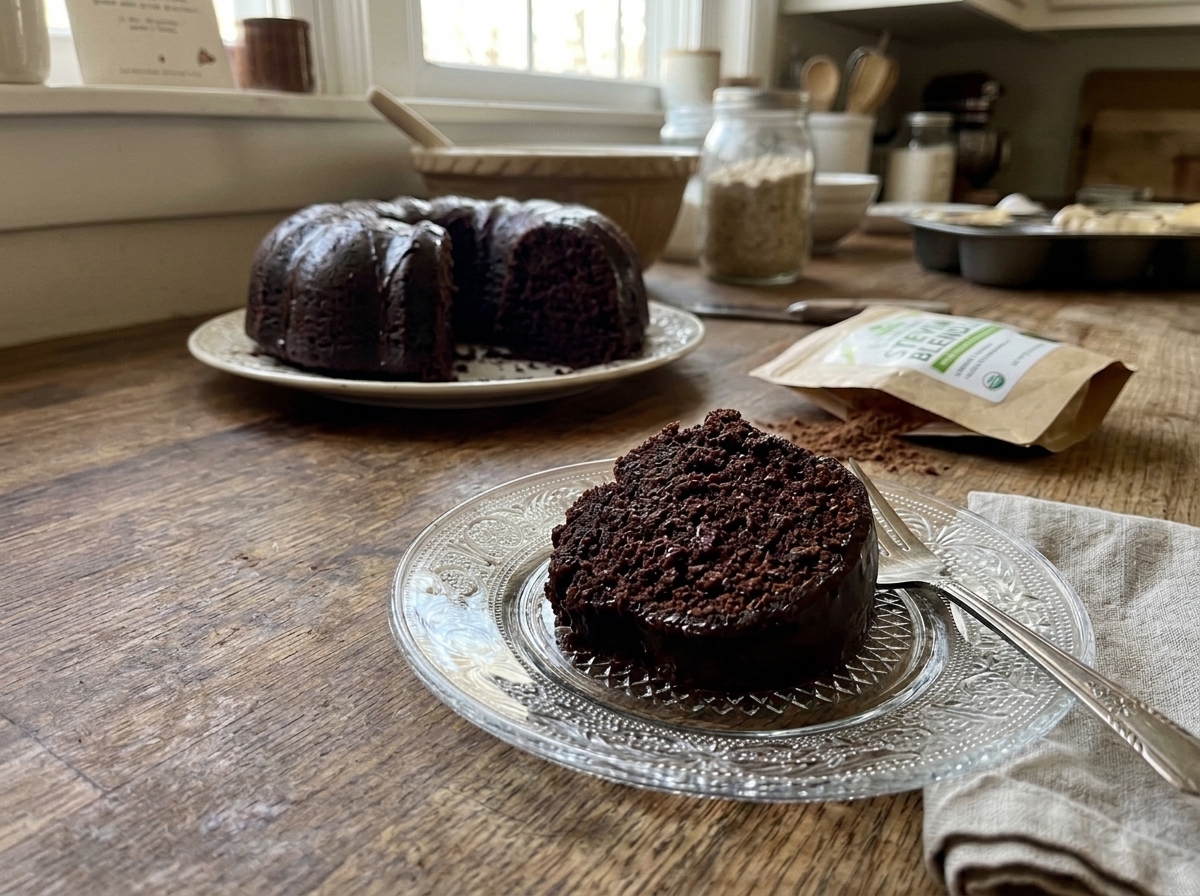
Diabetic Cake Dessert
This homemade diabetic cake features soft raisins, unsweetened applesauce, warm cinnamon, and nutmeg.
12
servings10
minutes45
minutes299
kcal55
minutesIngredients
1 cup water
1 cup seedless raisins
2 large eggs
1 cup sugar substitute (or sugar if not diabetic)
1 cup unsweetened applesauce
¾ cup vegetable oil
1 teaspoon baking soda
¼ teaspoon cinnamon
½ teaspoon nutmeg
1 teaspoon vanilla extract
½ teaspoon salt
1½ cups flour
Directions
- Prepare the Raisins
Cook the raisins in water in a saucepan until they become soft, juicy, and plump. Drain the excess water. - Mix the Wet Ingredients
Add the softened raisins to a large mixing bowl with the applesauce, eggs, sugar substitute, and vegetable oil. Mix well until combined. - Add the Dry Ingredients
Blend in the baking soda, flour, cinnamon, nutmeg, vanilla extract, and salt. Mix until all ingredients are evenly incorporated. - Prepare the Baking Pan
Grease an 8-by-8-inch or 9-by-9-inch baking pan. Transfer the prepared batter into the pan and spread it evenly. - Bake the Cake
Preheat the oven to 350°F (180°C). Bake for approximately 45 minutes or until the cake is fully set and a toothpick inserted into the center comes out without wet batter. - Cool and Serve
Remove the cake from the oven and allow it to cool before slicing. Cut into 12 portions and serve.
Nutrition Facts
- Calories: 299kcal
- Fat: 15g
- Carbohydrates: 14g
- Protein: 6g


