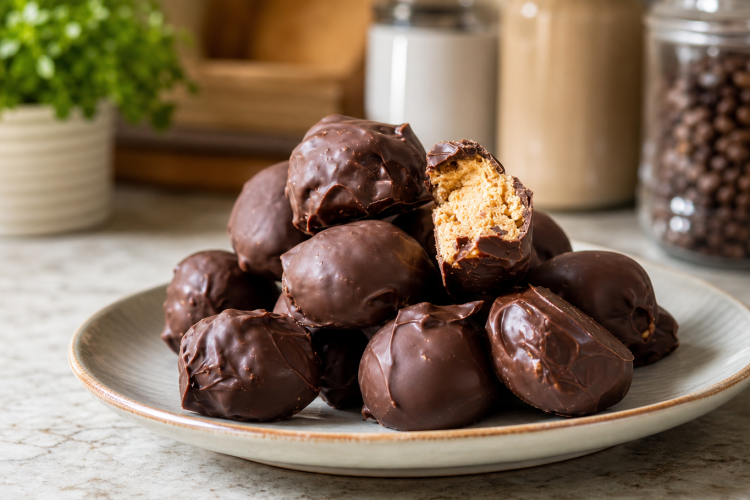
Homemade peanut butter protein balls have become one of the most searched healthy snack ideas, and it is easy to see why. They are soft, creamy, slightly sweet, and packed with enough protein to keep hunger away for hours. Unlike store-bought protein bars that often contain long ingredient lists and added preservatives, this recipe uses simple pantry staples that you can measure out in minutes.
Whether you are looking for a quick breakfast bite, a snack to eat after the gym, or something sweet to satisfy a craving without falling off track, this recipe checks every box.
Why This Recipe Works So Well
The reason this snack has become so popular online is because it solves a common problem: finding something quick, tasty, and nutritious without spending a lot of time in the kitchen. There is no oven involved, no baking skills required, and no waiting around for anything to rise or set for hours. You simply mix, roll, and chill. The combination of peanut butter, oats, and protein powder gives you a texture that feels like a treat but actually works in your favor nutritionally, offering protein, fiber, and healthy fats in every single bite.
Homemade Snacks Give You Full Control
One of the biggest advantages of making your own protein balls at home is that you decide exactly what goes into them. Many packaged protein snacks are loaded with added sugars, artificial flavors, and preservatives that you cannot always pronounce. When you make peanut butter balls yourself, you choose the sweetness level, the type of protein powder, and even the mix-ins. This makes the recipe friendly for various dietary needs, whether you are trying to eat cleaner, manage sugar intake, or simply prefer knowing exactly what you are eating.
The Texture and Taste You Can Expect
These protein balls have a soft, slightly chewy bite with a rich peanut butter flavor running through every mouthful. The oats add a subtle heartiness while the chocolate chips melt slightly and create small pockets of sweetness. They are not overly sugary, which makes them satisfying without feeling like a dessert overload. Because the mixture is chilled before rolling and again after shaping, the balls hold their form nicely and do not fall apart, even when packed into a lunch bag or gym bag for later.
Choosing the Right Peanut Butter
Peanut butter is the heart of this recipe, so the type you choose does matter. Natural peanut butter, meaning one made with just peanuts and maybe a bit of salt, tends to work best because it does not contain added sugars or hydrogenated oils that can change the texture of your mixture. Creamy peanut butter will give you a smoother, softer ball, while crunchy peanut butter adds little bits of texture that some people really enjoy. Either option works, so this really comes down to personal preference and what you already have in your pantry.
Picking a Protein Powder That Fits Your Needs
The protein powder is what turns this from a simple oat and peanut butter snack into a high protein bite that can genuinely support your fitness goals. Vanilla protein powder is the most common choice because it blends well with peanut butter without overpowering the flavor, but chocolate protein powder works beautifully too if you want a richer, dessert-like taste. Plant-based protein powder is a solid option for anyone following a vegan diet, while casein protein powder can be used if you prefer a slower-digesting protein source, often chosen by people who eat these before bed.
The Role Oats Play in This Recipe
Rolled oats are not just filler in this recipe, they actually do a lot of work. They provide the structure that helps these protein balls hold their shape while also contributing fiber and slow-digesting carbohydrates that help keep energy levels steady. It is best to stick with old-fashioned rolled oats rather than instant oats, since instant oats tend to break down too quickly and can make the mixture softer and harder to roll into firm balls. Rolled oats also add a nice, mild chew that balances out the creaminess of the peanut butter.
Understanding the Sweeteners Used
Honey is the primary sweetener in this recipe, and it does double duty by adding natural sweetness while also helping bind all the ingredients together into a cohesive mixture. If you do not have honey on hand or prefer a different flavor, maple syrup works as a close substitute and gives a slightly earthier taste. Agave syrup and date syrup are two other options that can be used in the same quantity, each bringing its own subtle flavor twist while still helping the mixture stick together properly when rolled.
Why Chia Seeds and Flaxseed Are Included
Chia seeds and ground flaxseed might seem like small additions, but they bring a surprising amount of nutritional value to this snack. Chia seeds contribute fiber, plant-based protein, and omega-3 fatty acids, all while being nearly flavorless so they blend right into the mixture without changing the taste. Ground flaxseed works in a similar way, adding fiber and healthy fats while also helping slightly thicken the mixture, which makes rolling the balls a bit easier once everything has been mixed together and chilled.
The Purpose of the Chocolate Chips
Mini dark chocolate chips are added toward the end of mixing to give little bursts of sweetness throughout each protein ball. Dark chocolate tends to be lower in sugar compared to milk chocolate, which keeps the overall recipe from becoming too sweet while still satisfying that chocolate craving many of us have. Because the chips are mini sized, they distribute more evenly through the mixture, meaning you get a taste of chocolate in nearly every bite rather than large chunks scattered unevenly throughout the batch.
Kitchen Tools You Will Actually Need
The great thing about this recipe is that it does not require any special equipment sitting in your cabinet. A large mixing bowl is needed to combine everything together, along with measuring cups to keep your ingredient ratios accurate. A sturdy spoon or rubber spatula makes mixing the thick dough much easier, especially once the oats and protein powder are added. A baking tray lined with parchment paper is useful for holding the rolled balls while they chill in the refrigerator, preventing them from sticking to the surface.
How the Mixing Process Comes Together
The process starts by blending the wet ingredients first, which includes the peanut butter, honey, vanilla extract, and milk, until everything looks smooth and well combined. From there, the dry ingredients such as oats, protein powder, chia seeds, flaxseed, and salt get folded in slowly, allowing the mixture to thicken gradually rather than all at once. Once everything is evenly distributed, the chocolate chips are gently folded in last so they do not get crushed or melt into the mixture before it has a chance to chill.
Getting the Right Consistency Before Rolling
Getting the texture right is one of the most important parts of this recipe, and thankfully it is easy to adjust. If the mixture feels too dry and crumbly when you try to shape it, adding a tablespoon of milk at a time will loosen it up until it holds together properly. On the other hand, if the mixture feels too wet or sticky to work with, adding a small amount of extra oats will help absorb the moisture. The goal is a dough-like texture that rolls smoothly between your palms without sticking excessively to your hands.
Why Chilling the Mixture Matters
Chilling the mixture before rolling is not a step you want to skip, even though it might be tempting to rush through the recipe. Refrigerating the mixture for about thirty minutes allows the peanut butter and honey to firm up slightly, which makes the dough much easier to handle and shape into balls. Skipping this step often results in a sticky mess that is frustrating to roll and does not hold its shape well. After rolling, a second short chill helps the balls firm up completely so they are ready to eat or store.
Creative Ways to Serve These Protein Balls
These peanut butter protein balls are versatile enough to fit into almost any part of your day. In the morning, they pair nicely with a bowl of Greek yogurt and fresh fruit for a quick, protein-packed breakfast. After a workout, eating two or three balls provides a convenient way to refuel with protein and carbohydrates without needing to prepare a full meal. For something more dessert-like, try drizzling melted dark chocolate over the top or serving them alongside banana slices and fresh strawberries for added natural sweetness.
Keeping Them Fresh for Later
Proper storage helps these protein balls stay fresh and ready to eat whenever hunger strikes. Kept in an airtight container in the refrigerator, they will stay fresh for up to a week, making them a convenient option for meal prepping snacks in advance. If you want to keep a larger batch on hand for longer, storing them in a sealed container in the freezer works well and keeps them good for up to three months. When you are ready to eat a frozen ball, simply let it sit at room temperature for a few minutes before enjoying.
Fun Variations to Try Next Time
Once you have made the original recipe a few times, experimenting with variations can keep things interesting. Adding two tablespoons of cocoa powder to the mixture creates a chocolate peanut butter version that tastes like a treat while still being packed with protein. Mixing in shredded coconut gives a tropical twist, while a quarter cup of mashed banana adds natural sweetness and a softer texture. A teaspoon of cinnamon brings warmth to the flavor, and chopped almonds, pecans, or walnuts can be folded in for anyone who enjoys a bit of crunch in every bite.
Mistakes That Can Affect Your Results
A few common mistakes can affect how well these protein balls turn out, but they are all easy to avoid once you know what to watch for. Using too much protein powder can make the mixture dry and difficult to roll into smooth balls, so it is best to stick close to the recommended amount. Skipping the chilling time often leads to a sticky, hard-to-handle dough, while using too much liquid can cause the balls to fall apart instead of holding their shape. Overmixing the dough can also make the final texture feel dense rather than soft and chewy.
The Nutritional Value Behind Every Bite
These protein balls are not just a tasty snack, they also bring real nutritional benefits to the table. The protein content supports muscle repair and recovery, which makes them a smart choice after exercise, while also helping you feel fuller for longer between meals. The healthy fats from peanut buter and flaxseed support brain function and provide steady, lasting energy rather than a quick spike and crash. Meanwhile, the fiber from oats and chia seeds supports healthy digestion and helps keep blood sugar levels more balanced throughout the day.
Common Questions About This Recipe
Can these be made without protein powder
Yes, protein powder can be left out completely if you prefer. Simply replace it with extra rolled oats or almond flour to maintain the right texture, though the protein content per ball will be lower than the original recipe.
Can this recipe be made vegan
Yes, this recipe can easily be adjusted for a vegan diet. Use a plant-based protein powder in place of whey or casein, and swap the honey for maple syrup to keep the recipe completely plant based.
Is crunchy peanut butter a good substitute
Yes, crunchy peanut butter works well in this recipe and adds a pleasant bit of texture to each bite. The flavor stays just as rich, so feel free to use whichever type you have on hand or prefer.
Can these protein balls be frozen
Yes, they freeze very well and are a great option for meal prepping ahead of time. Store them in a sealed container and simply thaw at room temperature for a few minutes before eating.
Are these suitable if I am watching my weight
They can fit nicely into a balanced diet since the combination of protein, fiber, and healthy fats tends to support feelings of fullness, which may help with portion control and reduce unnecessary snacking throughout the day.
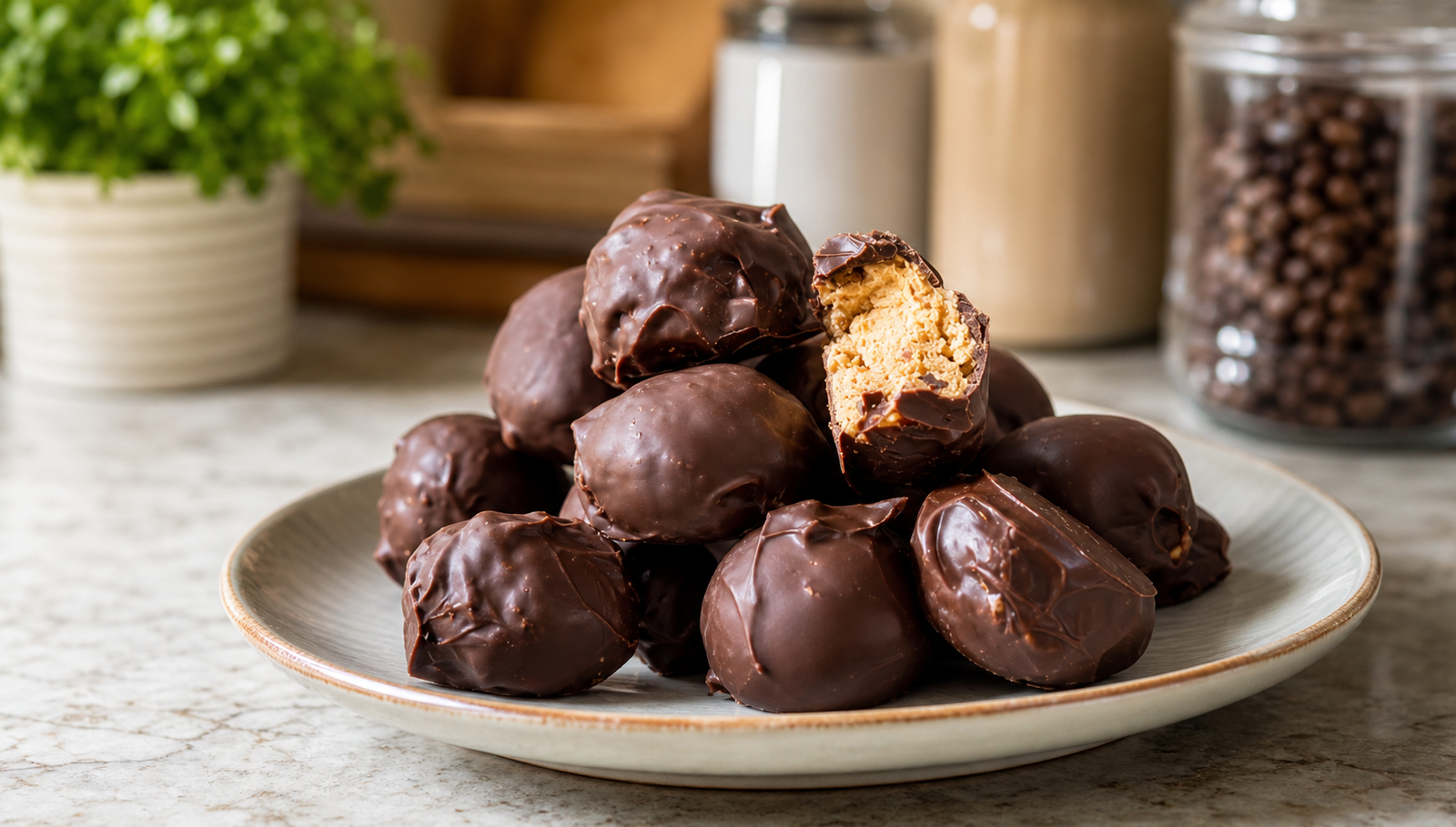
High Protein Peanut Butter Balls
Soft, chewy, no-bake peanut butter balls made with oats, protein powder, and a touch of honey. A simple snack that works for breakfast, post workout fuel, or a quick sweet bite any time of day.
20
protein balls15
minutes30
minutes130
kcal45
minutesIngredients
1 cup natural peanut butter
1 cup rolled oats
1 scoop vanilla protein powder
½ cup honey
½ cup mini dark chocolate chips
2 tablespoons chia seeds
2 tablespoons ground flaxseed
1 teaspoon vanilla extract
¼ teaspoon salt
2 tablespoons milk
Directions
- Measure out all the ingredients ahead of time so mixing goes smoothly and quickly. In a large bowl, combine the peanut butter, honey, vanilla extract, and milk. Stir until smooth and fully blended.
- Add the oats, protein powder, chia seeds, flaxseed, and salt. Mix slowly until everything is evenly combined. Gently fold in the mini chocolate chips, mixing just enough to distribute them without crushing them.
- If the mixture feels too dry, add a tablespoon of milk. If it feels too wet, add a bit more oats until it holds together well. Place the bowl in the refrigerator for about 30 minutes to firm up the dough.
- Scoop about a tablespoon of mixture at a time and roll it between your palms until smooth. Place the rolled balls on a parchment-lined tray and refrigerate for another 15 to 20 minutes before serving.


