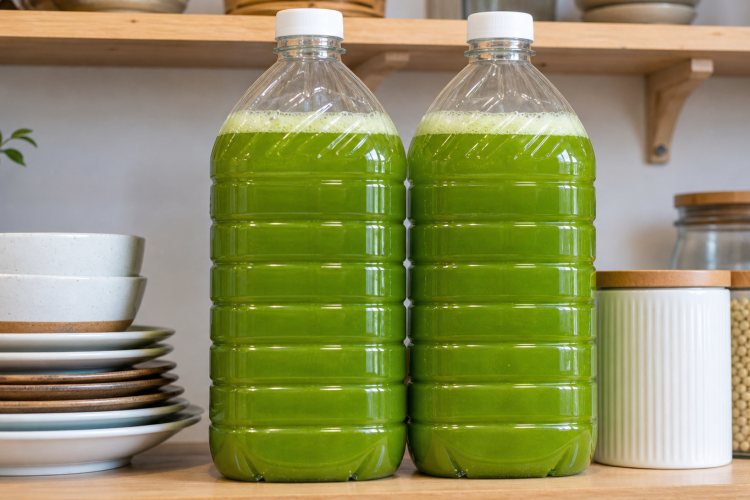
Homemade fresh green juice has become one of the most searched healthy drink recipes online, and once you try making it yourself, it becomes clear why so many people love it. This vibrant beverage combines leafy greens, crisp vegetables, juicy fruits, and a splash of citrus into one refreshing glass. Made with ingredients like spinach or kale, cucumber, celery, green apples, ginger, and lemon, this juice offers a naturally energizing flavor that feels light rather than heavy. It works well as a morning drink, a midday refresher, or a simple way to add more fruits and vegetables into your day without much effort.
Why Making Juice at Home Beats Store-Bought Options
One of the biggest advantages of preparing green juice in your own kitchen is the level of freshness you get that store-bought bottles simply cannot match. Many packaged juices on grocery store shelves contain preservatives, added sugars, or artificial flavoring to extend shelf life, which can affect both taste and nutritional value. When you make green juice at home, you control exactly what goes into your glass, which means a cleaner taste, a brighter color, and the ability to adjust the recipe based on your own preferences without any hidden ingredients.
The Flavor Balance That Makes This Juice Work
What makes this juice so enjoyable is the way each ingredient plays its own role in creating balance. The leafy greens bring a mild earthiness, while cucumber and celery add a refreshing crunch that keeps the drink from feeling too heavy or overpowering. Green apples contribute natural sweetness and a touch of fruitiness, while ginger and lemon add brightness along with a slightly zesty kick that ties everything together. The result is a drink that feels cooling, hydrating, and satisfying without ever tasting overly sweet or overly vegetal.
Why This Drink Fits Into Almost Any Routine
Another reason homemade green juice continues to grow in popularity is how easily it fits into different lifestyles and schedules. Some people enjoy it first thing in the morning as a way to start the day on a refreshing note, while others prefer sipping it in the afternoon when energy levels tend to dip. It can also be included as part of a balanced meal plan alongside breakfast or lunch. Because the recipe is flexible, you can lean more toward a vegetable-forward flavor or a sweeter, fruit-heavy version depending on what you feel like drinking that day.
What People Love Most About This Juice
Fresh green juice has earned a loyal following because it checks so many boxes at once. It tastes naturally flavorful without needing added sugar, and it can be customized endlessly based on whatever produce you have available. Since it contains no preservatives, the taste feels clean and genuine, while the colorful mix of ingredients makes it visually appealing as well. It comes together quickly, making it realistic for busy mornings, and it offers a light, refreshing way to stay hydrated throughout the day, especially during warmer months.
Leafy Greens as the Foundation of the Recipe
Spinach and kale are the two most common leafy greens used in this recipe, and each brings something slightly different to the final flavor. Spinach has a mild taste that blends smoothly with fruits and vegetables, creating a bright green juice with a soft, easy-to-drink flavor that works well for beginners. Kale, on the other hand, offers a stronger, more earthy taste along with a richer texture and a deeper green color. Choosing between the two really depends on whether you prefer a gentler flavor or a bolder, more vegetable-forward juice.
Cucumber Brings the Refreshing Factor
Cucumber plays an important role in making this juice feel light and hydrating rather than thick or heavy. Its high natural water content contributes a crisp freshness along with a mild flavor that does not compete with the other ingredients. Cucumber also has a naturally cooling effect, which makes the finished juice feel especially refreshing on a hot day. Beyond its refreshing qualities, cucumber helps balance out stronger flavors like kale and ginger, keeping the overall taste from becoming too intense or overpowering.
The Role Green Apples Play in Natural Sweetness
Green apples are a key ingredient because they add fruity sweetness and brightness without making the juice taste like dessert. Their natural tartness helps balance the earthiness of the leafy greens while also improving the overall texture of the drink. Using crisp, fresh apples rather than soft or overripe ones creates a cleaner, more refreshing taste that holds up well against the stronger vegetable flavors. This natural sweetness means you can often skip added sugar entirely and still end up with a juice that tastes pleasant and balanced.
Celery Adds a Light, Savory Touch
Celery might not be the star of the recipe, but it plays an important supporting role by adding a fresh, garden-like flavor that rounds out the overall taste. It contributes a mild savory note along with extra freshness and a bit of natural crunch before juicing or blending. Celery blends particularly well with cucumber and leafy greens, helping to create a more cohesive flavor rather than one ingredient standing out too much on its own. Its subtle taste makes it easy to include without overwhelming the rest of the recipe.
Ginger for Warmth and a Little Kick
Fresh ginger is what gives this juice its subtle spicy edge, making the drink feel more vibrant and alive rather than flat or one-dimensional. Even a small piece of ginger can noticeably change the flavor of the entire batch, adding warmth, aromatic depth, and a gentle natural spice that lingers pleasantly after each sip. If you enjoy bolder flavors, increasing the amount of ginger slightly can give the juice an extra kick, while using less creates a milder, more subtle warmth throughout the drink.
Lemon Juice Ties Every Flavor Together
Fresh lemon juice is added toward the end of the process because it brightens and balances all the other flavors in the juice. The citrus acidity cuts through the earthiness of the greens while adding a clean, refreshing finish that makes the entire drink feel more lively. Lemon also plays a practical role by helping the various flavors blend together more smoothly, rather than tasting like separate ingredients floating in the same glass. Without lemon, the juice can taste flat, so this ingredient truly makes a noticeable difference.
Why Ingredient Freshness Changes Everything
The overall quality of your ingredients has a direct and noticeable impact on how the finished juice tastes. Fresh produce leads to a brighter flavor, a more vibrant green color, and a cleaner aroma compared to using vegetables or fruits that are starting to wilt or turn soft. Always choose produce that looks crisp, feels firm, and has vibrant color, since these are usually strong indicators of freshness. Taking a little extra care when selecting ingredients at the store or from your garden pays off significantly in the final result.
Deciding Between a Juicer and a Blender
This recipe can be made using either a juicer or a blender, and the method you choose will affect the final texture of your drink. Both approaches work well, so the decision mostly comes down to what equipment you already have and what texture you personally enjoy drinking.
Making Green Juice With a Juicer
A juicer works by separating the liquid from the fiber automatically, which results in a smooth, thin juice with very little pulp. This method tends to be faster overall since there is no need for straining afterward, making it a convenient choice for busy mornings when you want a quick, smooth drink without extra steps.
Making Green Juice With a Blender
A blender, on the other hand, creates a slightly thicker juice with more fiber content and a fuller body, since nothing is being separated out during blending. If you prefer a smoother texture after using a blender, straining the mixture through a fine mesh strainer or cheesecloth afterward can help remove excess pulp while still keeping some of the nutritional benefits found in the fiber.
Why Washing Produce Thoroughly Really Matters
Washing your fruits and vegetables properly before juicing is one of the most important, yet often overlooked, steps in this recipe. Thorough washing helps remove dirt, surface residue, and any impurities that may be sitting on the skin of your produce, especially leafy greens which can trap soil in their folds. Taking the time to rinse everything under running water not only improves safety but also results in a cleaner, fresher tasting juice once everything is blended or juiced together.
Simple Ways to Customize Your Green Juice
One of the most enjoyable aspects of making green juice at home is how easily it can be adjusted to match your personal taste preferences. Once you understand the basic recipe, experimenting with small changes can lead to entirely new flavor combinations that still keep the drink healthy and refreshing.
Making It Sweeter
If you prefer a sweeter juice, adding pineapple, pear, or an extra green apple can boost the natural sweetness without needing any refined sugar. This works especially well if you are new to green juice and want a gentler introduction to the earthier vegetable flavors.
Giving It a Tropical Twist
Swapping plain water for coconut water adds a subtle tropical sweetness along with extra hydration, making the juice feel like a warm-weather treat rather than a strictly health-focused drink.
Adding Herbal Freshness
Fresh mint leaves or parsley can be blended in for an extra layer of herbal freshness, giving the juice a slightly different aromatic quality that feels bright and cooling.
Creating a Milder Flavor
If kale feels too strong or earthy for your taste, switching to spinach instead creates a noticeably milder, smoother tasting juice that is easier to drink regularly.
Boosting the Ginger Kick
For those who love bold flavors, simply increasing the amount of fresh ginger used in the recipe intensifies the warmth and spice throughout the entire drink.
Best Practices for Serving This Juice
Fresh green juice tastes best when it is served cold rather than at room temperature, since the chill enhances its refreshing qualities. Chilling the juice before serving, adding a few ice cubes, and garnishing with fresh mint leaves all contribute to a more enjoyable drinking experience. Serving it in a glass bottle or jar also helps keep it looking appealing, especially if you are preparing it for guests or simply want it to look inviting when you open the refrigerator.
How to Store Leftover Juice Properly
Because homemade juice does not contain preservatives or stabilizers, it is best enjoyed soon after making it rather than sitting around for days. If you do have leftovers, store the juice in an airtight container and refrigerate it immediately to help maintain freshness for as long as possible. It is best consumed within twenty four to forty eight hours, and giving it a good shake before drinking is recommended, since natural separation between the liquid and fiber is completely normal for homemade juice.
Notes on Getting the Best Flavor Every Time
Using Cold Ingredients
Using cold fruits and vegetables straight from the refrigerator often results in a fresher tasting juice right from the start, reducing the need for extra ice that can dilute the flavor.
Adding Lemon at the End
Adding lemon juice toward the end of preparation, rather than juicing it along with everything else, helps preserve its bright citrus flavor and prevents it from becoming muted by the other ingredients.
Deciding on Straining
If you enjoy the added fiber and fuller texture, avoid over straining your juice after blending, since this fiber contributes to a heartier drink that keeps you feeling satisfied longer.
Blending Thoroughly
Taking the extra time to blend ingredients thoroughly, especially when using a blender rather than a juicer, results in a smoother, more enjoyable texture with fewer chunky bits remaining.
Adjusting Sweetness Naturally
Rather than reaching for refined sugar, adjusting sweetness through additional fruit like apples or pineapple keeps the juice tasting natural while still satisfying a sweet craving.
Popular Variations Worth Trying
Pineapple Green Juice
Adding pineapple chunks brings a tropical sweetness that pairs surprisingly well with the earthiness of leafy greens, creating a fun twist on the original recipe.
Mint Green Juice
Blending in fresh mint leaves adds an extra layer of coolness and freshness, making this variation especially popular during warmer months.
Coconut Green Juice
Replacing plain water with coconut water gives the juice a naturally sweet, slightly nutty flavor while also boosting hydration.
Citrus Green Juice
Adding lime or orange alongside the lemon creates a more citrus-forward juice with extra brightness and a slightly different tang.
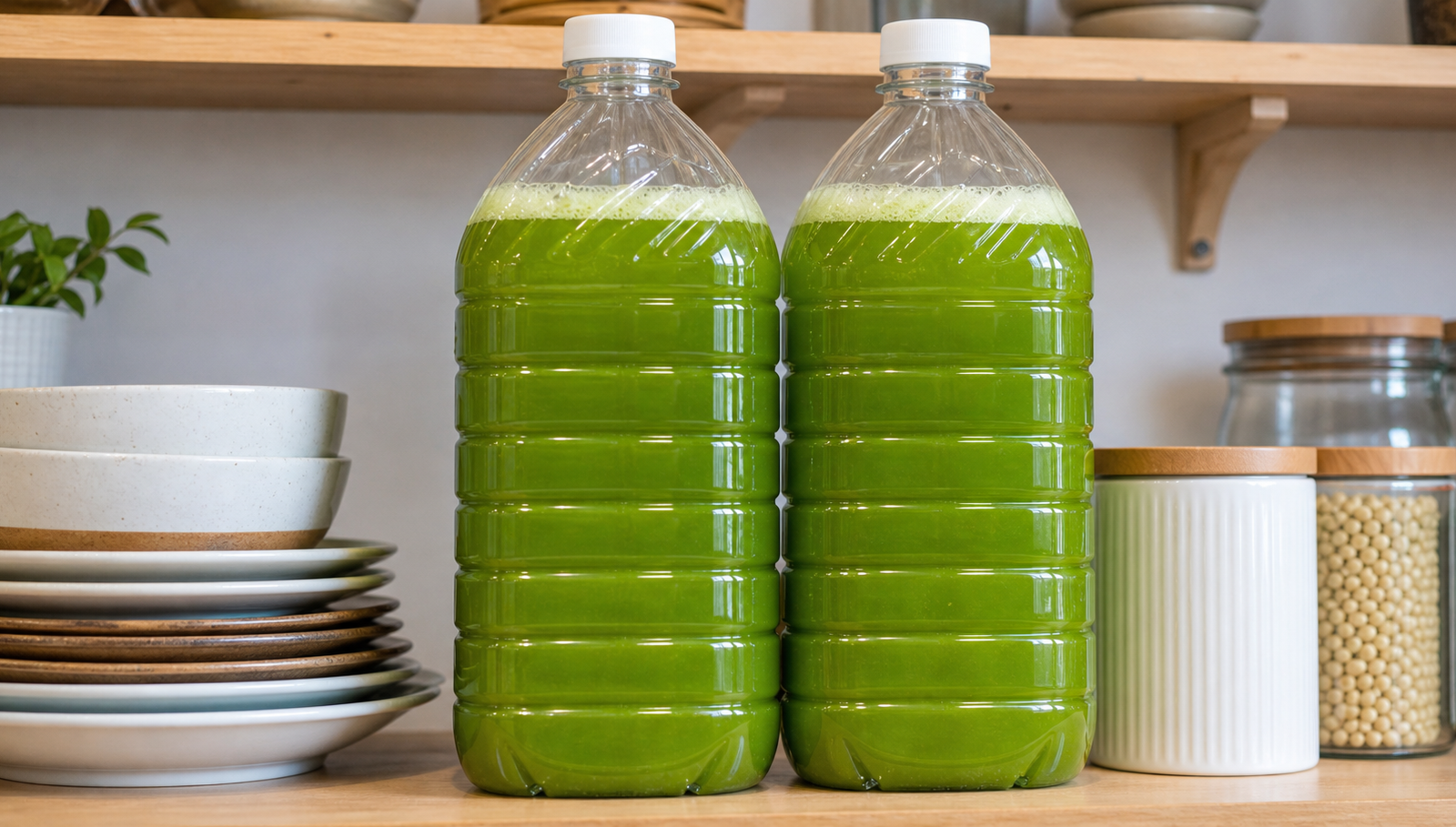
Healthy Green Drink for Everyday Wellness
A refreshing homemade green juice made with leafy greens, cucumber, celery, green apples, ginger, and lemon. Fresh, hydrating, and naturally flavorful.
15
minutes15
minutesIngredients
4 to 5 cups fresh spinach or kale leaves
2 cucumbers, chopped
3 green apples, cored and chopped
1 bunch celery stalks
1-inch piece fresh ginger
Juice of 1 lemon
- Optional Additions:
1 tablespoon honey
Fresh mint leaves
1 cup cold water or coconut water
Ice cubes
Directions
- Using a Juicer
- Wash all fruits and vegetables thoroughly. Chop the cucumbers, apples, and celery into smaller pieces.
- Feed all the ingredients slowly into the juicer. Stir in the fresh lemon juice. Taste and add honey if you want extra sweetness.
- Serve chilled or over ice.
- Using a Blender:
- Wash and chop all the ingredients. Add everything to a blender along with water or coconut water.
- Blend until smooth. Strain through a fine mesh strainer or cheesecloth if you prefer a smoother texture.
- Stir in the lemon juice and honey if using. Serve cold.


