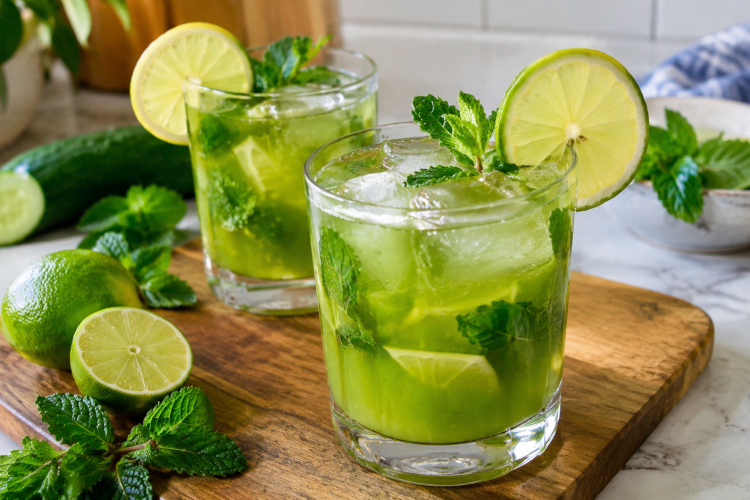
Lemon ginger green juice is a refreshing, vegetable-based drink made with kale, fresh cilantro, ginger, lemons, and cucumbers. It has a bright citrus flavor, a gentle spicy kick from ginger, and a fresh green taste that makes it a good choice for anyone who enjoys homemade vegetable juices. Unlike fruit-heavy juices, this recipe is not particularly sweet, allowing the natural flavors of the vegetables, herbs, and citrus to stand out.
This homemade green juice is easy to prepare with a juicer and takes approximately 10 minutes from start to finish. You can make a larger batch to enjoy throughout the week or prepare a single serving as a quick morning drink. The ingredients are widely available, and preparing your own juice gives you control over the freshness and quality of everything that goes into your glass.
Why You Will Love This Green Juice Recipe
One of the best things about lemon ginger green juice is its simple preparation. You do not need complicated equipment beyond a household juicer, and most of the preparation involves washing, cutting, and feeding the ingredients into the machine. The cucumber provides plenty of moisture, while lemon and ginger bring a lively flavor that balances the earthy taste of kale. Cilantro adds another layer of freshness.
Another advantage is that the recipe offers two preparation options. You can make the traditional green juice, which separates the liquid from much of the vegetable pulp, or prepare a green smoothie using a blender. The smoothie retains more of the ingredients’ fiber because the vegetables are blended rather than strained. Both versions have a fresh taste, making it easy to choose the texture and consistency you prefer.
Preparing a large batch can also be convenient for busy mornings. Instead of washing and cutting several ingredients every day, you can prepare the five-serving juice in one session and refrigerate it in a clean, covered container. Give it a good stir before pouring because natural separation occurs during storage. For the freshest flavor, serve it chilled or over ice.
What Makes This Green Juice a Healthy Choice?
Kale and Its Nutritional Value
Kale is the main leafy green in this recipe and contributes its distinctive vegetable flavor. It contains several important nutrients, including vitamins A, C, and K, as well as folate and minerals such as potassium and calcium. These nutrients support normal body functions, including immune function, bone maintenance, and other processes involved in keeping the body healthy. Including kale in homemade drinks is one way to add more leafy greens to your diet.
Kale also contains naturally occurring plant compounds, including carotenoids and other antioxidants. These compounds help protect cells from oxidative stress as part of the body’s normal biological processes. However, no single ingredient or juice can guarantee better health on its own. The most useful approach is to enjoy this drink alongside a varied diet that includes vegetables, fruits, whole grains, protein sources, and healthy fats.
Fresh Lemon for a Bright Citrus Flavor
Lemon gives this green juice its sharp, refreshing taste. Its acidity balances the earthy flavor of kale and the distinctive aroma of cilantro, while helping the drink taste lively without added sugar. Lemons also provide vitamin C, an essential nutrient that contributes to normal immune function and helps the body absorb non-heme iron from plant foods.
The recipe uses whole quartered lemons with their peels, but peeling them is an option if you prefer a less bitter flavor. Lemon peel has a more pronounced, slightly bitter taste than the flesh, so leaving it on can noticeably change the finished drink. Wash the lemons thoroughly before using them whole, and remove any seeds that your juicer cannot handle comfortably.
Ginger for a Gentle Spicy Kick
Fresh ginger gives this drink a warm, slightly spicy flavor that complements lemon and cucumber. Even a small piece can make a noticeable difference, so there is no need to add extra ginger unless you enjoy a stronger taste. Ginger is widely used in cooking and beverages, and it contains naturally occurring compounds that have been studied for their potential effects on digestion and other aspects of health.
For this recipe, peel the ginger before adding it to the juicer or blender. A small spoon can help remove the thin skin without wasting much of the root. If you are preparing the juice for someone who dislikes spicy flavors, begin with the specified quantity rather than increasing it. The goal is to create a balanced green drink in which the ginger enhances the other ingredients rather than overpowering them.
Cucumber and Cilantro for Freshness
Cucumber provides moisture and a mild, refreshing flavor that helps balance the stronger ingredients. It is especially useful in vegetable juice because it contributes liquid without making the drink taste as sweet as many fruit-based alternatives. The recipe uses six cucumbers for the larger juice batch, although filtered water can be used as a substitute when desired.
Cilantro contributes a fresh herbal aroma with a slightly citrus-like character. Its flavor works particularly well with lemon and ginger, creating a more interesting drink than plain cucumber juice. Wash the leaves thoroughly and chop them before measuring so that you can pack the correct amount into the measuring cup. If you enjoy fresh vegetable flavors, this combination makes a pleasant addition to a breakfast routine or an afternoon refreshment.
Ingredients for Lemon Ginger Green Juice
Ingredients for Five Servings
The larger recipe uses kale, cilantro, fresh ginger, lemons, and cucumbers. Kale provides the leafy green base, while cilantro adds herbal flavor and lemon brings acidity. Ginger introduces a little warmth, and cucumber supplies much of the liquid needed for juicing. Together, these ingredients create a vegetable-focused drink without relying on added sweeteners.
Use fresh produce whenever possible, as wilted leaves, dry ginger, or older cucumbers can affect the final flavor. Wash the vegetables and herbs under running water before preparation. Remove damaged leaves, trim any unwanted ends, and cut the produce into pieces suitable for your juicer. Since the recipe uses whole lemons, clean their skins carefully before quartering them.
Ingredients for One Green Smoothie
The smoothie version uses smaller quantities of the same ingredients, making it suitable for one person. You will need one cup of densely packed chopped kale, a quarter cup of packed chopped cilantro, a quarter inch of peeled ginger, one quartered lemon, and one cucumber. The cucumber can be replaced with one to two cups of water if you prefer a more adjustable consistency.
Unlike juicing, blending processes the entire edible mixture into a thicker drink. The result depends on the power of your blender and the amount of liquid in the ingredients. If the mixture is difficult to blend, pause the machine, scrape down the sides if needed, and add a little liquid only if necessary. Remember that changing the liquid quantity may alter the texture and nutritional values.
How to Make Lemon Ginger Green Juice
Step 1: Prepare the Ingredients
Start by washing the kale, cilantro, cucumbers, lemons, and ginger. Remove tough or damaged portions of the greens and peel the ginger. Cut the lemons into quarters, leaving the peel on if you prefer the stronger citrus and bitter notes described in the original recipe. Prepare the cucumbers according to the size of your juicer’s feeding chute, cutting them into smaller pieces when necessary.
Arrange the prepared ingredients near your juicer so they are easy to reach. Check that the juice container is positioned correctly and that the machine’s pulp collection compartment is ready. Taking a few moments to organize everything makes the process smoother and helps prevent splashes or spills while you are working.
Step 2: Juice the Ingredients
Feed the kale, cilantro, ginger, and quartered lemons through your juicer according to the manufacturer’s instructions. Work with manageable portions instead of forcing large quantities into the machine. Allow each ingredient to process properly before adding more. The greens and herbs may produce less liquid than the cucumbers, so do not worry if the juice flow changes as you work through the ingredients.
Add the cucumbers toward the end of the process. Their high water content can help move remaining juice and small amounts of produce through the machine. Once all the ingredients have been processed, check the collection container and carefully remove it from the juicer. Follow your machine’s safety instructions when handling its blades, filters, or other removable parts.
Step 3: Stir and Serve
Stir the finished juice thoroughly before serving so that the flavors are evenly distributed. Pour it into glasses and enjoy it immediately for the freshest taste. If you prefer a cooler drink, serve it over ice. The combination of cucumber, lemon, ginger, and herbs creates a crisp flavor that works well as part of breakfast or as a refreshing drink later in the day.
If you are not drinking all five servings at once, transfer the remaining juice to a clean, airtight container and refrigerate it promptly. Natural separation is expected, so stir the juice again before pouring another glass. For best quality, prepare only as much as you can safely store and consume, and discard it if its smell, appearance, or texture suggests spoilage.
How to Make the Lemon Ginger Green Smoothie
Step 1: Add the Ingredients to a Blender
Wash and prepare the ingredients, then add the chopped kale, cilantro, peeled ginger, quartered lemon, and cucumber to your blender. Make sure the lemon peel is thoroughly washed if you are using the lemon unpeeled. If your blender has difficulty processing leafy greens or whole lemon pieces, cut the ingredients into smaller portions before blending.
Step 2: Blend Until Smooth
Secure the lid and blend the ingredients until the mixture reaches your preferred consistency. Stop the blender if necessary to scrape down ingredients that stick to the sides. If the mixture is too thick to move freely, use the optional water substitution or add liquid gradually. Avoid adding too much at once because doing so can make the smoothie thinner than you intended.
Step 3: Serve Immediately
Pour the smoothie into a glass and drink it soon after blending. Unlike strained juice, a smoothie contains the blended vegetable material, including much of its fiber. This creates a thicker texture and may make the drink more filling. The lemon and ginger provide a strong flavor, while cucumber helps keep the mixture refreshing. Clean the blender soon after use to prevent leafy residue from drying onto the container.
Green Juice or Green Smoothie: Which Should You Choose?
The main difference between green juice and a green smoothie is how the ingredients are processed. A juicer separates much of the liquid from the pulp, while a blender combines the ingredients into one mixture. As a result, the smoothie generally retains more fiber than strained juice. Fiber supports normal digestion and can contribute to feelings of fullness, although the exact amount depends on the ingredients and preparation method.
Juice may be preferable if you enjoy a lighter, less pulpy drink, while a smoothie is a useful choice when you want to consume the blended vegetables rather than discard most of the pulp. Neither method is automatically better for everyone. Your preference, dietary needs, and the rest of your meals should guide the choice. Both versions can be enjoyed without added sweeteners, and you can adjust the preparation method to suit your routine.
Frequently Asked Questions
Can You Drink Green Juice Every Day?
Many people enjoy a small serving of vegetable juice as part of their regular diet. The original recipe suggests one glass a day for those who choose to include green juice in their routine. However, juice should not replace all whole vegetables or balanced meals. Juicing removes much of the fiber, so eating whole produce and including fiber-rich foods remains important for a varied diet.
Is It Better to Drink Green Juice on an Empty Stomach?
You can drink this lemon ginger green juice at breakfast, between meals, or alongside other foods. There is no universal requirement to drink it on an empty stomach. Pairing the juice with a balanced meal that contains healthy fats can help support the absorption of fat-soluble nutrients from the meal. Choose the timing that feels comfortable and works best with your eating habits.
Can You Use Raw Kale in a Green Smoothie?
Raw kale is commonly used in smoothies and can be included in moderate amounts by most people. Wash it well and remove any tough portions that may affect the texture. Some people experience bloating or digestive discomfort after eating raw cruciferous vegetables, particularly in larger amounts. If that happens, try a smaller serving or use cooked greens in other meals. Anyone with a medical condition requiring specific dietary restrictions should follow their healthcare professional’s advice.
Can You Juice Ginger Without a Juicer?
Yes, although extracting ginger juice by hand takes more effort. Finely grate the peeled ginger, place it in a clean piece of cheesecloth, and squeeze the liquid into a small container. You can then mix the ginger juice into a prepared vegetable drink. This method works well when you want to add ginger flavor without processing the whole root, but the amount extracted will depend on the freshness and moisture content of the ginger.
Can You Drink Lemon Ginger Green Juice at Night?
This drink can be enjoyed at different times of the day, depending on your preference. Some people like its bright, refreshing flavor in the morning, while others prefer it as an afternoon drink. Lemon’s acidity or ginger’s strong flavor may not suit everyone close to bedtime. If the drink causes discomfort or interferes with your sleep, consider enjoying it earlier in the day instead.
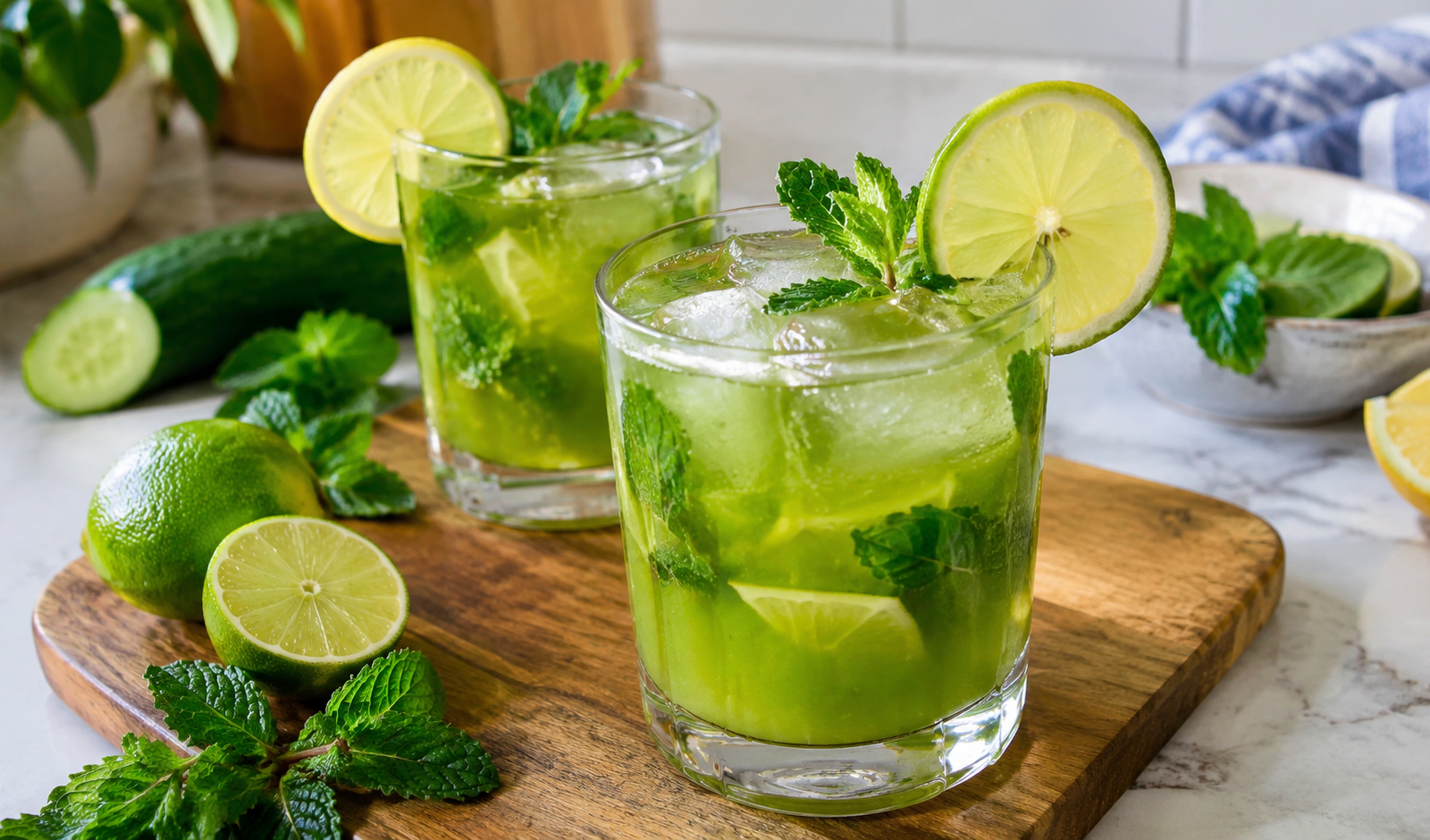
Healthy Lemon Ginger Green Juice
A refreshing homemade green juice made with kale, cilantro, fresh ginger, lemons, and cucumbers. This vegetable-based drink has a bright citrus flavor and a gentle spicy kick.
5
servings10
minutes125
kcal10
minutesIngredients
- Lemon Ginger Green Juice (5 Servings)
10 cups kale, chopped and densely packed
2 cups cilantro, chopped and packed
2 inches fresh ginger root, peeled
5 lemons, cut into quarters (not peeled)
6 cucumbers (may substitute with 3 cups water)
- Lemon Ginger Green Smoothie (1 Serving)
1 cup kale, chopped and densely packed
1/4 cup cilantro, chopped and packed
1/4 inch fresh ginger root, peeled
1 lemon, cut into quarters (not peeled)
1 cucumber (may substitute with 1–2 cups water)
Directions
- Lemon Ginger Green Juice
- Wash and prepare all the ingredients. Peel the ginger and cut the lemons into quarters.
- Using a home juicer, process the ingredients according to the manufacturer’s instructions.
- Add the cucumbers last to help move remaining juice through the machine.
- Stir the juice well and serve immediately, or transfer it to a clean, airtight container and refrigerate.
- Lemon Ginger Green Smoothie
- Wash and prepare the kale, cilantro, cucumber, lemon, and ginger.
- Add all the ingredients to a home blender or NutriBullet.
- Blend until smooth, stopping to scrape down the sides if needed.
- Pour into a glass and drink immediately.
Notes
- Lemon peel: The lemons can be used with their peels for a stronger citrus and bitter flavor. Peel them first if you prefer a milder taste.
- Cucumber substitute: Replace the six cucumbers in the juice recipe with three cups of water, or replace the cucumber in the smoothie with one to two cups of water.
- Separation: The juice may separate during storage. Stir before pouring.
- Storage: Refrigerate promptly in a clean, airtight container. The original recipe states that it can last up to five days in the refrigerator; discard it if there are signs of spoilage.
- Leftover pulp: Suitable vegetable pulp can be frozen for possible use in crackers or other recipes.
Nutrition Facts
- Calories: 125kcal
- Fat: 3g
- Carbohydrates: 24g
- Fiber: 11g
- Sugar: 9g
- Protein: 7g


