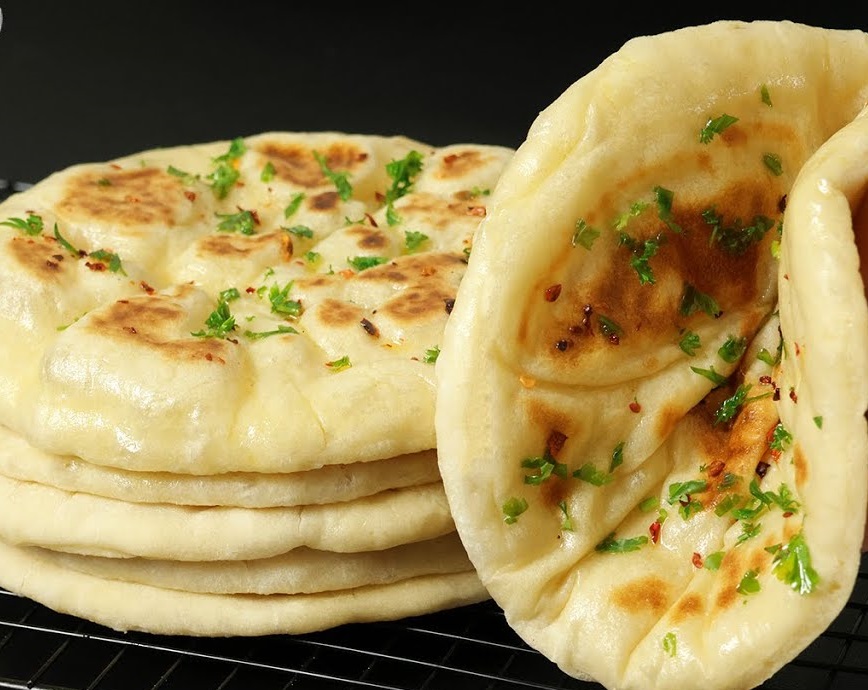
Turkish bread is a delicious homemade bread known for its soft texture, golden crust, and wonderful aroma. It is a popular choice for serving alongside soups, grilled meats, kebabs, dips, and many traditional Turkish dishes. With a few basic ingredients and simple preparation steps, you can make fresh Turkish-style bread at home without complicated baking techniques.
This easy Turkish Bread Recipe creates a tender, airy loaf with a lightly crisp exterior and a soft interior. The dough is made with flour, yeast, warm water, salt, olive oil, and a little sugar to help activate the yeast. After rising, the dough is shaped, rested, and baked until golden. The result is delicious bread that is perfect for dipping into olive oil, scooping up hummus, or filling with your favorite sandwich ingredients.
Homemade Turkish bread is especially enjoyable when served warm from the oven. You can brush the surface with olive oil or melted butter for extra flavor, or sprinkle sesame seeds and nigella seeds on top for a traditional-inspired finish. Whether you are preparing a family dinner, hosting guests, or simply craving fresh bread, this recipe is a wonderful addition to your baking collection.
Why You Will Love This Turkish Bread Recipe
This recipe is simple enough for beginners while delivering the soft, satisfying texture that makes freshly baked bread so appealing. The ingredients are easy to find, and most of the preparation time is spent allowing the dough to rise.
- Soft and fluffy texture: Yeast helps the dough develop a light, airy interior.
- Simple ingredients: You only need everyday baking staples.
- Versatile serving options: Enjoy it with dips, soups, salads, grilled foods, or sandwiches.
- Customizable toppings: Add sesame seeds, nigella seeds, or fresh herbs.
- Fresh homemade flavor: Warm bread straight from the oven tastes wonderful.
- Beginner-friendly method: Straightforward mixing, kneading, resting, and baking make this recipe approachable.
Ingredients for Turkish Bread
The ingredients work together to create a dough that is soft, elastic, and easy to shape.
- 3 cups all-purpose flour: Forms the main structure of the bread. Bread flour can also be used for a slightly chewier texture.
- 1 cup warm water: Hydrates the flour and activates the yeast. The water should feel warm, not hot.
- 2 teaspoons instant yeast: Helps the dough rise and creates a light texture.
- 1 tablespoon sugar: Provides a little sweetness and supports yeast activity.
- 1 teaspoon salt: Enhances flavor and helps regulate fermentation.
- 2 tablespoons olive oil: Adds moisture and makes the dough easier to handle.
- 1 tablespoon olive oil or melted butter, for brushing: Gives the finished bread a flavorful surface.
- 1 tablespoon sesame seeds, optional: Adds a nutty flavor and a decorative finish.
- 1 teaspoon nigella seeds, optional: Provides a distinctive, slightly peppery flavor often associated with Turkish-style breads.
You may need a little extra flour for dusting or a small amount of additional water depending on the flour and humidity. Add these gradually to avoid making the dough too dry or sticky.
Equipment Needed
You will need a large mixing bowl, measuring cups and spoons, a clean work surface, a baking tray, parchment paper, and a kitchen towel. A stand mixer with a dough hook is optional, but the dough can easily be kneaded by hand.
A kitchen scale is helpful for accurate measurements, especially if you bake regularly. An oven thermometer can also help you check that your oven reaches the correct temperature.
How to Make Turkish Bread
Step 1: Activate the Yeast
If using active dry yeast, combine the warm water, sugar, and yeast in a small bowl. Stir gently and allow the mixture to stand for about 5–10 minutes, until it looks foamy.
If you are using instant yeast, you can mix it directly with the flour and combine the water and sugar with the other ingredients. Always follow the instructions on your yeast package.
Avoid using very hot water because excessive heat can damage the yeast and prevent the dough from rising properly.
Step 2: Prepare the Dough
Place the flour in a large mixing bowl and add the salt. If using instant yeast, add it at this stage as well. Pour in the yeast mixture, remaining water as needed, and olive oil.
Mix until the ingredients form a rough dough. If the dough feels extremely dry, add a little water, one teaspoon at a time. If it is very sticky, allow it to rest briefly before adding a small amount of flour.
The dough should feel soft and slightly tacky rather than stiff. A softer dough generally produces a more tender loaf.
Step 3: Knead Until Smooth
Transfer the dough to a lightly floured surface. Knead by hand for approximately 8–10 minutes, stretching and folding the dough until it becomes smoother and more elastic.
If using a stand mixer, knead with the dough hook for around 5–7 minutes, checking the texture as you go.
The dough should become more manageable as the gluten develops. Avoid adding too much extra flour during kneading, as this can make the finished bread dense.
Step 4: Let the Dough Rise
Lightly grease a clean bowl with olive oil. Place the dough inside and turn it once to coat the surface lightly.
Cover the bowl with a clean kitchen towel or reusable cover. Leave it in a warm, draft-free place for approximately 60–90 minutes, or until it has doubled in size.
Rising time depends on the room temperature and the activity of the yeast. In a cooler kitchen, the dough may take longer, so use the dough’s appearance rather than the clock alone.
Step 5: Shape the Bread
Gently press the risen dough to release some of the larger air pockets. Transfer it to a lightly floured surface and divide it into two portions for smaller flat loaves, or keep it whole for one larger loaf.
Shape each portion into an oval or round loaf. Place the shaped dough on a parchment-lined baking tray, leaving enough room for it to expand.
For a Turkish pide-inspired appearance, gently flatten the dough into an oval and use your fingertips to make shallow indentations across the surface. Avoid pressing too deeply or deflating the dough completely.
Step 6: Allow a Second Rise
Cover the shaped dough loosely and let it rest for another 20–30 minutes. This second rise helps the bread become lighter and improves the final texture.
Meanwhile, preheat the oven to 400°F (200°C). Allow the oven to reach the correct temperature before baking so the bread cooks evenly.
Step 7: Add Toppings
Brush the surface lightly with olive oil or melted butter. Sprinkle sesame seeds or nigella seeds over the top if desired.
You can also brush the bread with a little water before adding the seeds to help them stick. Keep the topping light so the surface can bake evenly.
Step 8: Bake Until Golden
Place the baking tray in the preheated oven. Bake for approximately 18–25 minutes for smaller loaves, or longer for a larger loaf, until the bread is golden brown and cooked through.
Baking time depends on the thickness and size of the shaped dough. The bottom should feel firm, and the bread should sound slightly hollow when tapped.
If the top browns too quickly, lower the oven temperature slightly or loosely cover the bread with foil for the remaining baking time.
Step 9: Cool and Serve
Remove the bread from the oven and transfer it to a wire rack. Brush lightly with olive oil or melted butter if desired.
Allow the bread to cool for at least 10–15 minutes before slicing. Cutting too early can compress the soft interior and release steam before the crumb has settled.
Serve warm with hummus, yogurt dips, grilled meats, soups, salads, or your favorite meal.
Tips for Soft and Fluffy Turkish Bread
Use warm, not hot, water. Water that is too hot can damage the yeast. Lukewarm water encourages the yeast to work effectively.
Keep the dough soft. Adding excessive flour can make the bread heavy. A slightly tacky dough is often easier to turn into a tender loaf.
Knead thoroughly. Proper kneading develops gluten, which helps the dough hold its shape and trap the gas produced during fermentation.
Allow enough rising time. The dough should become visibly larger before shaping. Cold kitchens may require a longer rise.
Avoid overbaking. Remove the bread when it is golden and cooked through to preserve a soft interior.
Cover the bread after baking. Once it has cooled slightly, a clean kitchen towel can help keep the crust from becoming too firm.
What to Serve with Turkish Bread
Turkish bread pairs beautifully with many meals. Serve it with hummus, baba ganoush, tzatziki, or a simple olive oil and herb dip for an easy appetizer.
It is also delicious alongside lentil soup, tomato soup, grilled chicken, kebabs, roasted vegetables, and fresh salads. The soft bread is excellent for scooping up sauces and absorbing flavorful juices from savory dishes.
For a quick lunch, slice the bread horizontally and fill it with grilled vegetables, cheese, chicken, or salad ingredients. You can also toast leftover slices and serve them with scrambled eggs or a savory breakfast spread.
Variations to Try
Garlic Turkish Bread: Mix a little garlic powder into the dough or brush the baked bread with olive oil, crushed garlic, and parsley.
Herb Turkish Bread: Add dried oregano, thyme, or chopped fresh herbs for a fragrant variation.
Seeded Turkish Bread: Sprinkle sesame seeds and nigella seeds over the surface before baking.
Whole-Wheat Turkish Bread: Replace part of the all-purpose flour with whole-wheat flour. You may need additional water, and the loaf will generally be denser.
Cheese-Topped Turkish Bread: Add a modest amount of grated cheese during the final minutes of baking for a savory topping.
These variations allow you to adapt the basic recipe to different meals and preferences without changing the overall preparation method.
Storage and Reheating Instructions
Room temperature: Once completely cooled, store the bread in an airtight container or bread bag for up to 2 days for best texture.
Refrigeration: Refrigeration is generally unnecessary for plain bread and can make it stale more quickly. Store it at room temperature if you plan to eat it soon.
Freezing: Wrap the cooled bread tightly and freeze for up to 2 months for best quality. For easier serving, slice the bread before freezing.
Reheating: Warm the bread in an oven at 300°F (150°C) for approximately 5–8 minutes. A light sprinkle of water before reheating can help refresh the crust. Individual slices can also be warmed in a toaster.
Frequently Asked Questions
Is Turkish Bread the Same as Turkish Pide?
Not always. Turkish bread is a broad term for several types of bread. Turkish pide is a particular style that is often oval or round, with a characteristic shape and sometimes a patterned surface. This recipe is a simple homemade Turkish-style loaf inspired by soft Turkish flatbreads.
Can I Make the Dough Ahead of Time?
Yes. You can prepare the dough and allow it to rise slowly in the refrigerator, covered, overnight. Bring it out, allow it to become easier to handle, then shape and complete the second rise before baking.
Why Did My Turkish Bread Turn Out Dense?
Dense bread can result from inactive yeast, insufficient kneading, too much flour, or not allowing the dough enough time to rise. Check the yeast, keep the dough soft, and allow it to expand properly before baking.
Can I Make Turkish Bread Without a Stand Mixer?
Absolutely. Kneading by hand works well. It takes a little effort, but you can achieve a smooth, elastic dough with a clean work surface and a few minutes of steady kneading.
How Do I Know When the Bread Is Fully Baked?
The crust should be golden brown, and the bottom should feel firm. A thermometer inserted into the center can provide additional guidance; many lean yeast breads are done when the internal temperature is around 190–200°F (88–93°C).
Conclusion
This Turkish Bread Recipe is a simple and delicious way to enjoy fresh homemade bread with a soft interior and a golden crust. With basic ingredients, an easy kneading process, and a little patience during rising, you can prepare bread that works beautifully with dips, soups, grilled foods, and everyday family meals.
Customize it with sesame seeds, nigella seeds, garlic, or herbs to suit your taste. Serve it warm, use leftovers for sandwiches, or freeze a loaf for another day. Once you experience the aroma and texture of freshly baked Turkish-style bread, it is easy to see why homemade bread is such a rewarding addition to the kitchen.
Recipe Card
Recipe Name: Turkish Bread
Preparation Time: 20 minutes
Rising Time: 80–120 minutes
Cooking Time: 18–25 minutes
Total Time: Approximately 2 hours
Servings: 8
Category: Bread, Baking, Side Dish
Cuisine: Turkish-inspired
Ingredients
- 3 cups all-purpose flour
- 1 cup warm water
- 2 teaspoons instant yeast
- 1 tablespoon sugar
- 1 teaspoon salt
- 2 tablespoons olive oil
- 1 tablespoon olive oil or melted butter, for brushing
- 1 tablespoon sesame seeds, optional
- 1 teaspoon nigella seeds, optional
Instructions
- If using active dry yeast, combine it with warm water and sugar and let it stand for 5–10 minutes until foamy.
- Combine the flour, yeast as appropriate, salt, water, sugar, and olive oil. Mix until a soft dough forms.
- Knead for 8–10 minutes by hand until smooth and elastic.
- Place the dough in a lightly greased bowl, cover, and let rise for 60–90 minutes or until doubled.
- Gently deflate the dough and shape it into one large loaf or two smaller oval loaves.
- Cover and rest for another 20–30 minutes.
- Preheat the oven to 400°F (200°C). Brush the dough with olive oil or melted butter and add optional seeds.
- Bake for 18–25 minutes for smaller loaves, or until golden and cooked through.
- Transfer to a wire rack and cool for 10–15 minutes before slicing.
Approximate Nutrition Information
Per serving, assuming 8 servings:
- Calories: 170–200
- Protein: 4–6 g
- Fat: 4–6 g
- Carbohydrates: 28–34 g
- Fiber: 1–2 g
- Sugar: 1–3 g
Nutrition values are estimates and vary depending on the flour brand, loaf size, toppings, and serving weight.


