Introduction
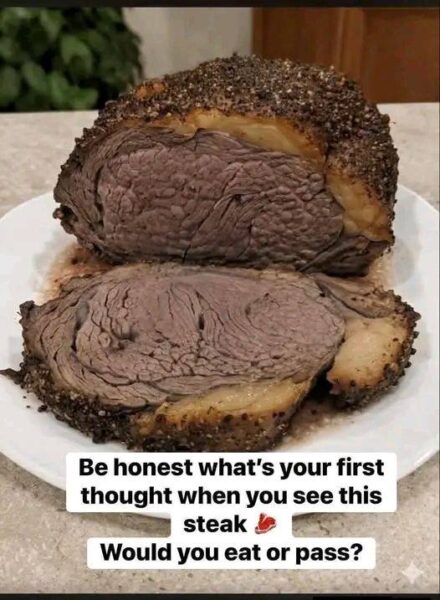
If you love a rich, juicy, restaurant-style beef roast with a flavorful pepper crust, this Pepper-Crusted Roast Beef Steak is the perfect recipe. The steak shown in the image appears to be a beautifully roasted cut of beef with a thick layer of cracked black pepper and a delicious fat cap that keeps the meat moist and tender during cooking.
This recipe creates a roast that is packed with flavor, incredibly juicy, and perfect for special occasions, family dinners, holiday gatherings, or weekend meals. The combination of coarse black pepper, garlic, herbs, and slow roasting develops a deep, savory crust while maintaining a tender interior.
Why You’ll Love This Recipe
- Rich beefy flavor
- Tender and juicy texture
- Crispy pepper crust
- Easy preparation
- Perfect for holidays
- Great leftovers
- Restaurant-quality presentation
- High-protein meal
Preparation Time
| Task | Time |
|---|---|
| Prep Time | 20 minutes |
| Marinating Time | 2 hours |
| Cooking Time | 1 hour 30 minutes |
| Resting Time | 20 minutes |
| Total Time | About 4 hours |
Servings
Serves 8–10 people
Ingredients
For the Roast
- 5 pounds beef rib roast or prime rib roast
- 2 tablespoons kosher salt
- 3 tablespoons coarse black pepper
- 2 tablespoons crushed peppercorns
- 2 tablespoons olive oil
- 6 garlic cloves, minced
- 2 teaspoons onion powder
- 1 tablespoon fresh rosemary, chopped
- 1 tablespoon fresh thyme
- 1 teaspoon smoked paprika
Optional Herb Butter
- 4 tablespoons butter
- 1 teaspoon rosemary
- 1 teaspoon thyme
- 1 garlic clove, minced
Choosing the Best Beef
The success of this recipe starts with selecting a quality cut of beef.
Great options include:
- Prime Rib Roast
- Ribeye Roast
- Standing Rib Roast
- Top Sirloin Roast
- Beef Tenderloin Roast
Look for:
- Good marbling
- Bright red color
- Creamy white fat
- Fresh smell
- Even thickness
The fat cap on top helps keep the roast moist and flavorful during cooking.
Understanding the Pepper Crust
The pepper crust serves several purposes:
Flavor
Cracked pepper adds warmth and spice without overwhelming the beef.
Texture
The crust becomes slightly crunchy during roasting.
Appearance
It creates a beautiful dark exterior that looks impressive when sliced.
Aroma
Fresh pepper releases oils that create an amazing fragrance while cooking.
Preparing the Beef
Remove the roast from the refrigerator about 1 hour before cooking.
Pat completely dry with paper towels.
Dry meat helps develop a better crust.
Trim excess fat if necessary, but leave most of the fat cap intact.
The fat provides flavor and moisture throughout the roasting process.
Making the Seasoning Rub
In a bowl combine:
- Kosher salt
- Black pepper
- Crushed peppercorns
- Garlic
- Onion powder
- Rosemary
- Thyme
- Paprika
Mix thoroughly.
Add olive oil and stir until a thick paste forms.
Seasoning the Roast
Place the roast on a large tray.
Rub the seasoning mixture over every surface.
Press the pepper mixture firmly onto the meat.
Pay special attention to the top fat layer.
The pepper crust should cover the roast generously.
Marinating
Cover loosely.
Place in the refrigerator for at least 2 hours.
For maximum flavor:
Marinate overnight.
This allows the salt and herbs to penetrate the meat.
Bringing to Room Temperature
Remove the roast from the refrigerator 1 hour before cooking.
This step promotes even cooking.
Cold meat often cooks unevenly.
Oven Preparation
Preheat oven to:
450°F (230°C)
Place a roasting rack inside a roasting pan.
The rack allows hot air to circulate around the roast.
Initial High-Heat Roast
Place the roast fat side up.
Roast at 450°F for 20 minutes.
This creates a flavorful crust and seals in juices.
The pepper begins to toast and become aromatic.
Lower Temperature Cooking
Reduce oven temperature to:
325°F (165°C)
Continue roasting until desired doneness.
Approximate cooking times:
Rare
120–125°F Internal Temperature
Medium Rare
130–135°F Internal Temperature
Medium
140–145°F Internal Temperature
Medium Well
150–155°F Internal Temperature
Well Done
160°F+
For a roast like the one in the image, medium to medium-well appears most similar.
Importance of a Meat Thermometer
A thermometer is the most accurate way to cook beef.
Insert into the thickest part.
Avoid touching bone or large fat sections.
Temperature determines doneness far better than time alone.
Making Herb Butter
While the roast cooks:
Melt butter in a small saucepan.
Add:
- Rosemary
- Thyme
- Garlic
Cook for 2–3 minutes.
Do not brown the butter.
Set aside.
Basting the Roast
Every 30 minutes:
Spoon juices from the pan over the roast.
You may also brush with herb butter.
Basting adds flavor and enhances browning.
Resting the Meat
This is one of the most important steps.
After cooking:
Transfer roast to a cutting board.
Loosely tent with foil.
Rest for 20–30 minutes.
During resting:
- Juices redistribute
- Meat becomes more tender
- Slices stay moist
Skipping this step can cause juices to run out when slicing.
Slicing the Roast
Use a sharp carving knife.
Slice against the grain.
Thin slices create maximum tenderness.
Each slice should reveal:
- Juicy interior
- Pepper crust
- Beautiful fat layer
Serving Suggestions
Serve with:
Vegetables
- Roasted carrots
- Green beans
- Brussels sprouts
- Asparagus
Potatoes
- Mashed potatoes
- Garlic potatoes
- Roasted potatoes
- Baked potatoes
Sauces
- Beef gravy
- Horseradish cream
- Garlic butter
- Red wine reduction
Storage Instructions
Refrigerator:
Store in an airtight container.
Keeps for 4 days.
Freezer:
Store for up to 3 months.
Wrap tightly before freezing.
Reheating Tips
To keep the beef juicy:
- Add a little beef broth.
- Cover with foil.
- Heat at 300°F until warm.
Avoid microwaving for long periods.
Leftover Ideas
Use leftover roast beef for:
- Sandwiches
- Wraps
- Salads
- Tacos
- Beef soup
- Beef pasta
- Beef fried rice
Common Mistakes to Avoid
Overcooking
Always use a thermometer.
Skipping Rest Time
Resting keeps meat juicy.
Too Little Seasoning
Large roasts need generous seasoning.
Cooking Straight from the Fridge
Allow the roast to warm slightly first.
Not Drying the Surface
Dry meat develops a better crust.
Nutrition Information (Approximate Per Serving)
- Calories: 520
- Protein: 45g
- Fat: 35g
- Carbohydrates: 2g
- Fiber: 0g
- Sugar: 0g
- Sodium: 680mg


