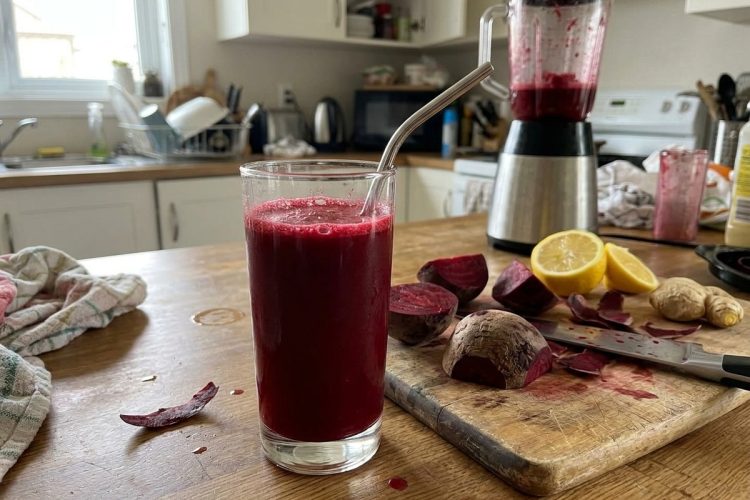
Detox beet juice is a refreshing homemade beverage made with fresh beets, carrots, celery, cucumber, apples, lemon, lime, and flat-leaf parsley. This colorful juice combines natural sweetness with earthy vegetable flavors and a bright citrus finish. It is an excellent choice for breakfast, a light afternoon refreshment, or a cool drink alongside your favorite meal. Best of all, it requires only about 10 minutes to prepare.
Making beet juice at home allows you to enjoy fresh ingredients without added sugar, artificial flavors, or preservatives. The apples and carrots balance the earthy taste of the beets, while lemon and lime provide a pleasant tang. Cucumber and celery make the drink taste lighter, and parsley adds a fresh herbal note. Together, these ingredients create a flavorful juice that is easy to include in a balanced eating routine.
Why You Will Love This Detox Beet Juice Recipe
One of the biggest advantages of homemade beet juice is its simple preparation. You do not need complicated equipment or special cooking skills. A juicer, fresh produce, and a few minutes are enough to prepare a colorful drink for the whole family. Since there is no cooking involved, the recipe is particularly convenient on busy mornings when you want something refreshing without spending much time in the kitchen.
Another reason to try this recipe is its combination of flavors. Beets have a distinctive earthy taste, but the apples and carrots introduce natural sweetness that makes the juice more enjoyable. Lemon and lime prevent the flavor from becoming too sweet, while cucumber and celery contribute freshness. If you usually find plain beet juice too strong, this mixture offers a more balanced taste.
This recipe is also easy to serve throughout the year. Enjoy it chilled during warmer months or prepare a small glass whenever you want a fresh homemade beverage. You can serve it with breakfast, alongside a light lunch, or as an alternative to sweetened drinks. Because the ingredients are familiar fruits and vegetables, it is also a practical way to enjoy different produce in one recipe.
Ingredients for Homemade Beet Juice
The secret to flavorful beet juice is choosing fresh, good-quality produce. Each ingredient contributes a different taste, color, or nutritional benefit, creating a balanced drink without the need for added sweeteners. Wash all the produce thoroughly before juicing, and cut larger pieces into sizes that fit comfortably inside your machine.
Beets
Beets are the main ingredient and give this juice its beautiful red color. They have a naturally earthy flavor with mild sweetness and provide nutrients such as folate, potassium, and manganese. Their strong taste is balanced by the apples, carrots, and citrus fruits. Choose firm beets without soft spots, remove the ends, and cut them into manageable pieces before adding them to your juicer.
Carrots
Carrots add natural sweetness and help soften the earthy flavor of the beets. They are well known for their beta-carotene content, which the body converts into vitamin A. Vitamin A supports normal vision and immune function. Fresh carrots also contribute a pleasant vegetable flavor, making them a useful ingredient in homemade juice recipes.
Celery and Cucumber
Celery gives the juice a fresh, slightly savory flavor, while cucumber adds a mild taste and refreshing quality. Both vegetables contain plenty of water, making them suitable additions to a light beverage. Wash the celery carefully between the ribs, rinse the cucumber, and cut both into pieces that fit your juicer.
Lemon and Lime
Lemon and lime bring a bright, tangy flavor that balances the sweetness of the apples and carrots. Both citrus fruits contain vitamin C, which supports normal immune function and helps the body absorb iron from plant foods. Peel and quarter the lemon and lime before juicing, following the recipe instructions.
Green and Red Apples
Green apples generally provide a sharper, more tart flavor, while red apples often taste sweeter. Using both creates a pleasant balance without adding sugar. Apples also contain beneficial plant compounds and fiber when eaten whole. In this juice, their natural liquid helps make the beet flavor smoother and more approachable.
Flat-Leaf Parsley
Fresh flat-leaf parsley contributes a mild herbal flavor that complements the vegetables and fruit. It contains vitamins A, C, and K, along with other plant compounds. Wash the parsley carefully to remove dirt and use the bunch specified in the recipe. Its fresh taste adds another layer of flavor without overpowering the other ingredients.
Health Benefits of Detox Beet Juice
A Variety of Nutrients
This homemade vegetable and fruit juice combines ingredients that supply different vitamins, minerals, and plant compounds. Beets provide folate and potassium, carrots contain beta-carotene, citrus fruits contribute vitamin C, and parsley supplies vitamin K. Apples and other vegetables add further naturally occurring nutrients. The exact amounts depend on the size and freshness of the produce and how much juice your machine extracts.
Drinking a variety of fruit and vegetable juices can contribute to dietary variety, but whole produce remains important. Juicing removes much of the fiber found in the original ingredients, and whole fruits and vegetables can be more filling. For this reason, enjoy beet juice alongside balanced meals rather than using it as a substitute for your usual food.
Supporting Normal Blood Pressure
Beets naturally contain nitrates that the body can convert into nitric oxide. This compound helps blood vessels relax, and research suggests that beetroot products may support modest reductions in blood pressure for some people. However, results vary, and beet juice should not replace prescribed medication or medical advice.
Beets also provide potassium, a mineral involved in normal muscle function and blood pressure regulation. Anyone who has been advised to limit potassium, including some people with kidney conditions, should ask a healthcare professional whether regular beet juice consumption is appropriate.
Antioxidants and Plant Compounds
Beets, apples, carrots, parsley, and citrus fruits contain naturally occurring plant compounds that contribute to their nutritional value. Antioxidants help protect cells from oxidative damage as part of the body’s normal processes. Eating a variety of colorful produce is a useful way to obtain different plant compounds through everyday meals and drinks.
Although this juice contains nutritious ingredients, it is not a cure for disease. Its main value is as a refreshing beverage that can complement a balanced diet rich in vegetables, fruits, whole grains, and other nourishing foods.
Hydration and Refreshment
Cucumber, celery, and apples contain water, so this juice can contribute to your daily fluid intake. Its naturally sweet and tangy taste offers a refreshing alternative to many sweetened beverages. Serving it chilled can make it especially enjoyable on a warm day or whenever you want a cool homemade drink.
Water should remain your main everyday beverage. If the juice tastes too concentrated, dilute it with a little cold water before serving. This simple adjustment softens the earthy flavor while allowing the natural sweetness and citrus notes to remain noticeable.
How to Make Detox Beet Juice
Step 1: Wash and Prepare the Ingredients
Wash the beets, carrots, celery, cucumber, apples, and parsley under clean running water. Scrub the beets and carrots to remove dirt, and rinse the celery carefully. Wash the lemon and lime before peeling them. Cut off the ends of the beets and carrots, quarter the apples, and peel and quarter the citrus fruits.
Cut the vegetables into smaller pieces that fit your juicer’s feeding chute. Preparing everything before starting makes the process quicker and easier. If the beets are particularly large, cut them into smaller chunks so the machine can process them comfortably.
Step 2: Juice the Produce
Set up your juicer according to the manufacturer’s instructions and place a clean container underneath the juice outlet. Feed the prepared beets, carrots, celery, cucumber, apples, citrus fruits, and parsley through the machine. Follow the recommended method for your equipment, and use the supplied pusher whenever necessary.
Continue until all the ingredients have been processed. Take care when handling the juicer, and never push produce into the feeding chute with your fingers. The amount of juice you obtain will depend on the size of the ingredients and the efficiency of your machine.
Step 3: Remove the Foam
Freshly extracted juice may develop foam on the surface, especially when apples and other produce are processed. If you prefer a smoother appearance, remove the foam with a spoon and discard it. Stir the juice thoroughly afterward so the flavors are evenly distributed.
The finished drink should have a deep red or reddish-purple color, although the exact shade can vary. The taste will be a mixture of earthy beets, sweet apples and carrots, fresh vegetables, and tangy citrus.
Step 4: Serve or Chill
Pour the juice into clean glasses and serve immediately for the freshest flavor. If you prefer it cold, transfer it to a covered container and refrigerate it briefly before serving. Stir again if any natural separation occurs.
The recipe makes approximately four servings, depending on the juice yield and the size of each glass. You can enjoy it with breakfast, alongside lunch, or as a refreshing afternoon beverage.
Helpful Tips for the Best Results
Choose Fresh Produce
Fresh ingredients make a noticeable difference in flavor. Select firm beets, crisp carrots, fresh celery, and apples without significant bruising. Choose a cucumber that feels firm and parsley with bright green leaves. Organic produce is an option, but conventional fruits and vegetables are also suitable when washed thoroughly.
Adjust the Flavor
If the juice tastes too earthy, add a little water to your glass. The apples and carrots already provide natural sweetness, so additional sugar is unnecessary. Lemon and lime give the drink a refreshing tang, while cucumber and celery help balance the stronger vegetable flavors.
Clean Your Juicer Promptly
Beet juice can leave red stains on equipment, counters, and hands. Rinse the juicer’s removable parts soon after use and clean them according to the manufacturer’s directions. Wipe spills before they dry, and wash your hands after preparing the beets.
How to Store Fresh Beet Juice
Fresh beet juice tastes best immediately after preparation. If you have leftovers, transfer them to a clean, airtight container and refrigerate within two hours. For the best quality, consume the juice within 24 to 48 hours. Keep it cold and discard it if it develops an unusual smell, appearance, or other signs of spoilage.
Because homemade juice is generally unpasteurized, refrigeration does not remove every food-safety risk. Avoid leaving it at room temperature for extended periods. You can also freeze leftover juice in a suitable freezer-safe container, leaving room for expansion. Thaw it in the refrigerator and stir thoroughly before serving, as the texture may change.
Frequently Asked Questions
Is Detox Beet Juice Healthy?
This juice contains fruits and vegetables that provide vitamins, minerals, and plant compounds. However, juicing removes much of their fiber, so it is best enjoyed alongside whole fruits, vegetables, and balanced meals.
Can You Drink Beet Juice Every Day?
Some adults can include a modest serving in their regular diet, but drinking it daily is not necessary. People taking medication that affects blood pressure, or those with certain kidney conditions or a history of kidney stones, should seek personalized advice before making beet juice a regular habit.
Does Beet Juice Detox the Body?
The term detox is commonly used for fresh vegetable juices, but this recipe does not have a special cleansing effect. The liver and kidneys already help the body process and eliminate waste. Enjoy the juice for its taste and nutritional variety rather than as a detox treatment.
Can You Make This Juice Without a Juicer?
You can blend the prepared ingredients with water and strain the mixture through a fine sieve or clean nut-milk bag. The texture and yield will differ from juice made in a juicer, and some pulp may remain. Use clean equipment and refrigerate any leftovers promptly.
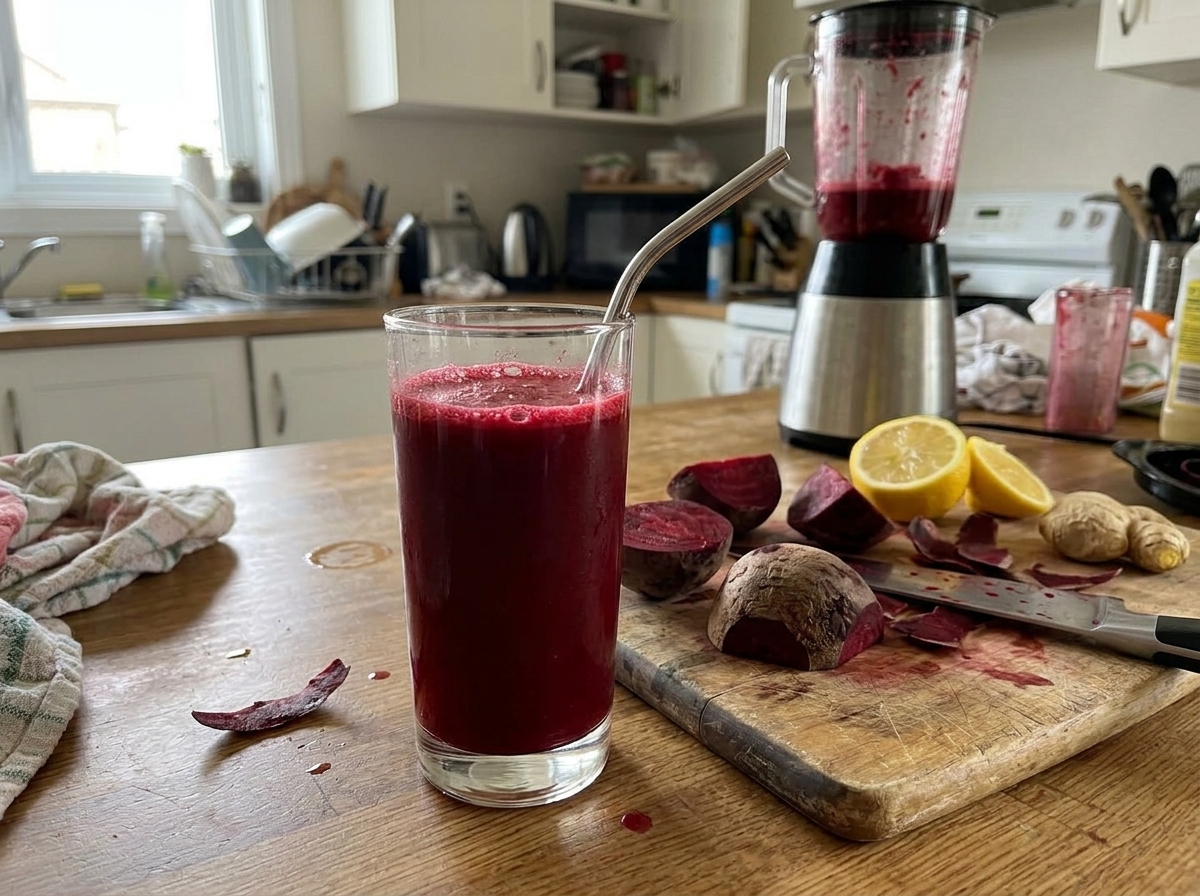
Healthy Beetroot Detox Drink Recipe
A refreshing homemade juice made with beets, carrots, celery, cucumber, green and red apples, lemon, lime, and fresh parsley. Naturally sweet and prepared without added sugar or preservatives.
4
servings10
minutes10
minutesIngredients
1 pound beets, washed with ends cut off
2 carrots, washed with ends cut off
2 celery ribs, washed and cut
1 lemon, peeled and quartered
1 lime, peeled and quartered
1 cucumber
2 green apples, quartered
1 red apple, quartered
1 bunch flat-leaf parsley, washed
Directions
- Wash all the produce thoroughly under running water.
- Cut the beets, carrots, celery, cucumber, and apples into pieces that fit your juicer.
- Peel and quarter the lemon and lime.
- Feed the prepared fruits, vegetables, and parsley through the juicer according to the manufacturer’s instructions.
- Remove and discard the foam that forms on the surface, if desired.
- Stir the juice thoroughly to combine the flavors.
- Serve immediately, or refrigerate in a covered container until chilled.


