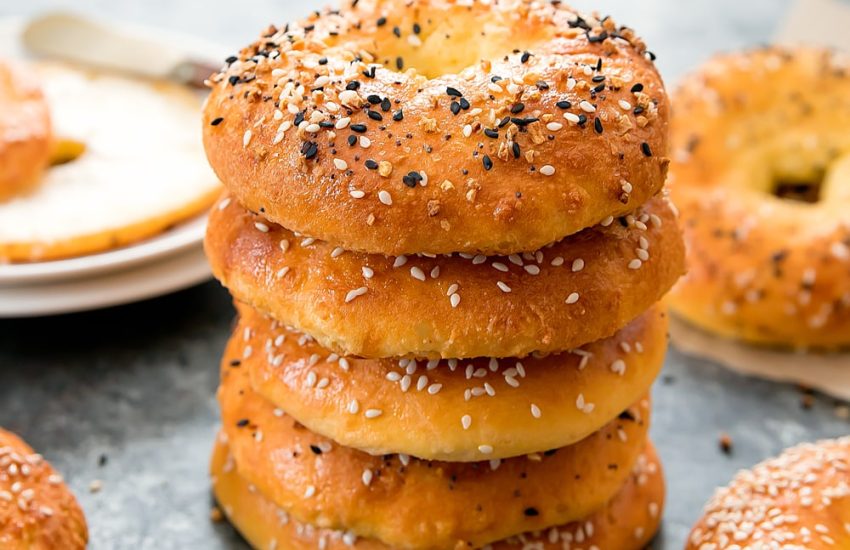
Protein Bagels with 19g Protein are a delicious homemade alternative to traditional bagels, offering a satisfying texture and a boost of protein in every serving. They are perfect for breakfast, lunch, or a quick snack when you want something filling and easy to customize. With a golden exterior, a soft center, and a classic bagel shape, these bagels are a great addition to a high-protein meal plan.
Making bagels at home does not have to be complicated. This recipe uses simple ingredients, including self-rising flour and Greek yogurt, to create a soft dough without requiring yeast or a long rising time. Greek yogurt contributes protein and moisture, while the flour helps give the bagels their familiar bread-like texture.
Each bagel can provide approximately 19 grams of protein when prepared with suitable ingredients and divided into the specified portions. The exact protein content depends on the brands of flour and yogurt used, the size of each bagel, and the final recipe yield, so check your ingredient labels to confirm the nutrition information.
These homemade protein bagels can be served plain, sprinkled with everything bagel seasoning, or topped with cream cheese, eggs, smoked salmon, or avocado. Whether you are preparing breakfast before a busy day or making sandwiches for lunch, they offer a versatile and satisfying option.
Why You Will Love These Protein Bagels
High-Protein Breakfast: Greek yogurt helps increase the protein content, making these bagels a useful option for a protein-rich meal.
Simple Ingredients: The recipe uses a small selection of everyday ingredients that are easy to find in most supermarkets.
No Yeast Required: You do not need to activate yeast or wait for the dough to rise, which makes preparation quicker than many traditional bagel recipes.
Soft and Chewy Texture: When mixed and baked correctly, the dough produces bagels with a tender center and a lightly golden exterior.
Easy to Customize: Add sesame seeds, poppy seeds, garlic seasoning, or your favorite bagel toppings.
Great for Meal Prep: Bake a batch ahead of time and store the cooled bagels for convenient breakfasts and sandwiches.
Ingredients for Protein Bagels with 19g Protein
This recipe is designed to make four bagels. The ingredient quantities below provide a useful starting point for homemade high-protein bagels.
Main Ingredients
- 2 cups self-rising flour
- 1½ cups plain nonfat Greek yogurt
- 1 large egg, beaten, for brushing the tops
- 1–2 tablespoons everything bagel seasoning, optional
If you do not have self-rising flour, you can make a substitute by combining 2 cups all-purpose flour with approximately 3 teaspoons baking powder and ½ teaspoon salt. Mix thoroughly before adding the yogurt.
Protein note: The 19-gram target is an estimate, not a guaranteed value for every version of this recipe. Regular flour and Greek yogurt vary in protein content. To achieve approximately 19 grams per bagel, calculate the total protein from your specific ingredients and divide it by the number of bagels produced. A higher-protein flour blend or protein-enriched baking flour may be needed, depending on the products available.
How to Make Protein Bagels
Step 1: Preheat the Oven
Preheat your oven to 375°F (190°C). Line a baking sheet with parchment paper to prevent sticking and make cleanup easier.
Prepare your ingredients before starting. Measure the flour and Greek yogurt carefully, and lightly beat the egg in a small bowl if you plan to use it as an egg wash.
A properly preheated oven helps the bagels cook evenly and develop a golden exterior. If your oven tends to run hot, check the bagels a few minutes before the suggested baking time.
Step 2: Combine the Flour and Greek Yogurt
Place the self-rising flour and Greek yogurt in a large mixing bowl. Stir with a spoon or spatula until the ingredients begin to form a rough dough.
At first, the mixture may look slightly crumbly. Continue mixing until most of the flour has been incorporated.
Use thick Greek yogurt rather than a thin, watery yogurt. The moisture level of the yogurt affects the dough, so different brands may produce slightly different results.
Step 3: Knead the Dough
Transfer the dough to a lightly floured work surface. Knead gently for approximately 2–3 minutes, just until it becomes smoother and easier to handle.
The dough should be soft and slightly tacky without sticking excessively to your hands. If it is very sticky, sprinkle on a small amount of flour, adding only what is needed. Too much extra flour can make the finished bagels dense or dry.
If the dough feels too dry or crumbly, add a small spoonful of Greek yogurt and mix again until it comes together.
Step 4: Divide the Dough
Divide the dough into four equal portions. For more consistent results, weigh the dough and divide the total weight by four.
Shape each portion into a ball. Keeping the portions similar in size helps the bagels bake evenly and makes it easier to estimate the nutrition per serving.
If you prefer smaller bagels, divide the dough into six portions instead. The protein content per bagel will be lower because each serving contains less dough.
Step 5: Shape the Bagels
Roll each dough portion into a short rope, approximately 6–8 inches long. Bring the ends together to form a ring and gently pinch the ends to seal them.
Alternatively, shape each portion into a ball and use your finger to make a hole in the center. Carefully stretch the opening until it resembles a traditional bagel.
Make the center hole slightly larger than you think necessary because the dough may expand as it bakes. Place the shaped bagels on the prepared baking sheet, leaving space between them.
Step 6: Apply the Egg Wash
Brush the tops and sides of each bagel lightly with beaten egg. This creates a golden finish and helps the seasoning adhere to the surface.
Sprinkle with everything bagel seasoning, sesame seeds, poppy seeds, or another topping of your choice.
For plain bagels, simply leave off the seasoning. They can be sliced and topped after baking with either sweet or savory ingredients.
Step 7: Bake the Bagels
Bake for approximately 22–28 minutes, or until the bagels are lightly golden and cooked through.
Baking time depends on the thickness of the bagels, the moisture content of the dough, and your oven. Check the underside as well as the tops to make sure the bagels are baked evenly.
If the tops brown too quickly before the centers are fully cooked, reduce the oven temperature slightly and continue baking until done.
Step 8: Cool Before Slicing
Remove the bagels from the oven and allow them to cool on the baking sheet for about 5 minutes. Transfer them to a wire rack to cool further.
Cooling helps the interior set and makes the bagels easier to slice. Cutting them while very hot can make the center seem gummy, even when the bagels are almost fully baked.
Once cooled, slice horizontally and toast if desired.
Step 9: Serve and Enjoy
Serve the bagels warm or toasted with your favorite toppings. Cream cheese, cottage cheese, eggs, avocado, and smoked salmon are excellent choices.
For a quick breakfast, spread one half with cream cheese and add a cooked egg. For lunch, use a bagel as the base for a sandwich with chicken, turkey, or fresh vegetables.
Tips for the Best High-Protein Bagels
Choose Thick Greek Yogurt
Thick Greek yogurt helps create a workable dough and adds protein. Thin yogurt may introduce too much moisture, making the dough sticky and difficult to shape.
Measure the Flour Carefully
Too much flour can make the bagels heavy and dry. For the most consistent results, use a kitchen scale when possible.
Avoid Overkneading
Knead only until the dough becomes smooth enough to shape. Excessive kneading can make the texture tougher than desired.
Keep the Bagels Similar in Size
Equal portions help the bagels cook at the same rate. They also make serving sizes and protein estimates more reliable.
Make a Proper Hole in the Center
The dough expands during baking, so leave a generous opening when shaping. This helps the finished bagels maintain their traditional shape.
Allow Enough Cooling Time
Let the bagels cool before cutting. This improves the texture and helps prevent the center from becoming compressed or gummy.
Check the Protein Content
If you need each bagel to provide approximately 19 grams of protein, calculate the protein content of your specific ingredients. Flour, yogurt, and optional additions can significantly affect the final value.
Variations and Substitutions
Everything Bagel Protein Bagels
Use everything bagel seasoning for a savory, crunchy topping. It combines flavors such as sesame, poppy seeds, garlic, and onion.
Sesame Seed Bagels
Sprinkle sesame seeds over the egg-washed bagels before baking. They add a mild nutty flavor and a traditional bakery-style appearance.
Cheddar Protein Bagels
Mix a small amount of shredded cheddar into the dough or sprinkle it on top before baking. Cheese adds flavor and some additional protein, although it also changes the nutrition values.
Garlic Herb Bagels
Add a little garlic powder and dried herbs to the dough. These bagels pair well with cream cheese, eggs, or savory sandwich fillings.
Cinnamon Bagels
For a lightly sweet variation, add cinnamon and a small amount of sweetener suitable for baking. Leave off the savory seasoning and serve with cream cheese or a suitable sweet spread.
Gluten-Free Version
Regular self-rising flour contains wheat and is not gluten-free. A gluten-free version requires a suitable gluten-free flour blend with an appropriate leavening agent. The dough texture and baking time may differ, so use a recipe specifically tested with that blend.
Higher-Protein Variation
If your ingredients do not provide enough protein per bagel, consider using a protein-enriched baking flour designed for bread or baking. Avoid adding large amounts of protein powder without adjusting the recipe, as it can make the dough dry, dense, or crumbly.
What to Serve with Protein Bagels
These bagels are versatile enough for breakfast, lunch, or a snack.
Egg and Cheese: Add a cooked egg and cheese for a savory breakfast sandwich.
Cream Cheese: Spread plain or flavored cream cheese over toasted bagel halves.
Cottage Cheese: Use cottage cheese as a topping and add fresh herbs or sliced tomatoes.
Avocado: Mash avocado with a little lemon juice, salt, and pepper for a fresh topping.
Chicken Sandwich: Fill a sliced bagel with cooked chicken, lettuce, and tomato for a convenient lunch.
Smoked Salmon: Pair the bagel with cream cheese, smoked salmon, and dill for a classic combination.
Nut Butter: For a sweet-style snack, add a suitable nut butter and a few slices of fruit.
Choose toppings according to your preferences and nutritional goals. Keep in mind that the protein, calories, and carbohydrate content will change when toppings are added.
How to Store Protein Bagels
At Room Temperature: Once fully cooled, plain bagels can be kept in an airtight container for a short period. For best quality, avoid leaving them exposed to air, as they can dry out quickly.
In the Refrigerator: Store the bagels in an airtight container for up to 4 days. Refrigeration may make them firmer, so toasting them before serving can improve the texture.
In the Freezer: Slice the cooled bagels horizontally and freeze them in a freezer-safe bag or container for up to 2 months for best quality. Separating the halves makes it easier to take out only what you need.
Reheating: Toast refrigerated or frozen bagel halves until warmed through and lightly crisp. Frozen halves can usually be toasted directly from frozen, although the time will vary by appliance.
Frequently Asked Questions
Do These Protein Bagels Really Have 19g of Protein?
They can be formulated to provide approximately 19 grams per bagel, but the amount depends on the exact ingredients and serving size. Calculate the protein from the labels of your flour and Greek yogurt, then divide the total by the number of bagels made.
Do Protein Bagels Need Yeast?
No. This quick recipe uses self-rising flour, which contains a leavening agent, rather than yeast. This eliminates the need for proofing and a long rising time.
Why Is My Bagel Dough Sticky?
The yogurt may contain more moisture than the recipe requires, or the dough may need a little more flour. Add flour gradually, using only enough to make the dough manageable.
Can I Make These Bagels Without Eggs?
The egg in this recipe is used as an egg wash to help the tops brown and hold the seasoning. You can omit it, although the bagels may have a paler finish. If you change the dough ingredients, the texture and nutritional values may differ.
Can I Make the Dough Ahead of Time?
For the best results, shape and bake the bagels soon after mixing. You can store the finished bagels and reheat them later. If you refrigerate the dough, it may become sticky or change texture, so check it before shaping.
Are These Bagels Suitable for Meal Prep?
Yes. Bake a batch, allow the bagels to cool completely, and store them in the refrigerator or freezer. Slicing before freezing makes reheating convenient.
Can I Use Regular Yogurt?
Thick Greek yogurt is recommended because it generally contains more protein and less liquid than regular yogurt. Regular yogurt may make the dough wetter and can reduce the protein content.
Are These Bagels Gluten-Free?
No. The standard recipe uses self-rising wheat flour, which contains gluten. Use a tested gluten-free recipe and suitable ingredients if gluten avoidance is necessary.
Final Thoughts
Protein Bagels with 19g Protein are a simple homemade option for anyone looking for a satisfying, protein-rich breakfast or lunch. The combination of flour and Greek yogurt creates a quick dough that can be shaped into bagels without yeast or a lengthy rising process.
Bake them until golden, let them cool, and toast the halves before serving for an especially enjoyable texture. With options ranging from everything seasoning to cheddar, cinnamon, and fresh sandwich fillings, these bagels are easy to adapt to different tastes.
For the most accurate nutrition information, calculate the protein content using the exact ingredients you use. This small step helps ensure that your published recipe provides a realistic estimate for every serving.
Recipe Card: Protein Bagels with 19g Protein
Prep Time: 10 minutes
Cook Time: 22–28 minutes
Total Time: Approximately 35–40 minutes
Servings: 4 bagels
Course: Breakfast, Lunch, Snack
Cuisine: American-inspired
Diet: High-protein
Ingredients
- 2 cups self-rising flour
- 1½ cups plain nonfat Greek yogurt
- 1 large egg, beaten, for brushing
- 1–2 tablespoons everything bagel seasoning, optional
Instructions
- Preheat the oven to 375°F (190°C) and line a baking sheet with parchment paper.
- Mix the self-rising flour and Greek yogurt in a bowl until a rough dough forms.
- Knead gently for 2–3 minutes until the dough is smooth enough to shape.
- Divide the dough into four equal portions.
- Shape each portion into a ring, pinching the ends together to seal.
- Place the bagels on the baking sheet.
- Brush the tops with beaten egg and add seasoning if desired.
- Bake for 22–28 minutes, until golden and cooked through.
- Cool on a wire rack before slicing.
- Toast and serve with your favorite toppings.
Estimated Nutrition
The values below are approximate and must be checked against the exact ingredients used.
- Calories: 230–300
- Protein: Approximately 12–19 g
- Fat: 3–6 g
- Total Carbohydrates: 35–45 g
- Fiber: 1–3 g
Important nutrition note: The basic flour-and-yogurt recipe may not reach 19 grams of protein per bagel. Do not publish “19g Protein” as a confirmed nutritional value unless you have calculated it using your actual ingredients or tested a higher-protein formulation.


