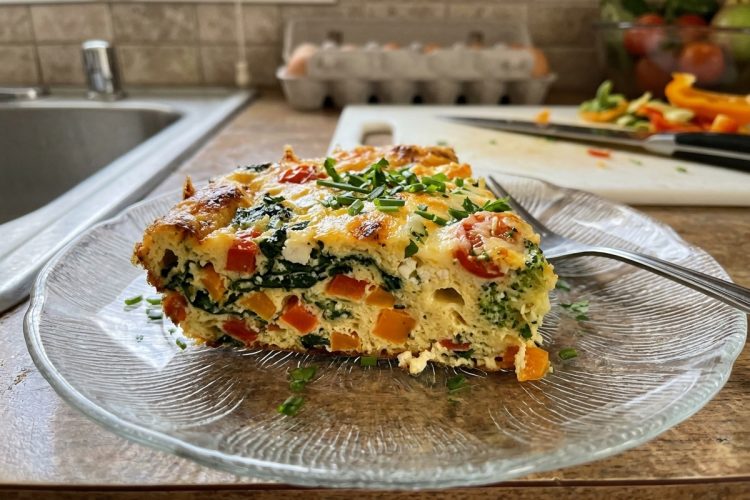
Cottage cheese flatbread is an easy homemade bread alternative made with cottage cheese and eggs. This simple recipe is popular among people looking for high-protein flatbread, low-carb wraps, and flour-free meal options. The ingredients are blended until smooth, spread onto a prepared baking sheet, and baked until firm and lightly golden. With minimal preparation and only two main ingredients, this flatbread is a practical choice for breakfast, lunch, dinner, or a quick snack.
Unlike traditional flatbread recipes that require flour, yeast, kneading, or rising time, this version keeps the process simple. Cottage cheese creates the base, while eggs help bind the mixture as it cooks. Optional garlic powder and Italian seasoning add a savory flavor that pairs well with many fillings. You can make it thin for wraps, thicker for sandwiches, or use it as a base for homemade flatbread pizza.
How to Make Cottage Cheese Flatbread
Prepare the Oven and Baking Sheet
Preheat your oven to 350°F (176°C). Line a baking sheet with parchment paper and lightly coat it with cooking spray. This step is important because the cottage cheese and egg mixture can stick to an unlined baking surface. Using parchment paper makes the flatbread easier to lift and helps prevent it from breaking during removal.
Choose a baking sheet according to the shape and thickness you want. A larger baking sheet allows you to spread the mixture into a thin rectangle, while a smaller pan creates a thicker flatbread. The thickness affects the baking time, so try to keep the mixture at a consistent depth across the entire surface.
Blend the Ingredients Until Smooth
Add one cup of cottage cheese and two large whole eggs to a blender or food processor. Include the garlic powder and Italian seasoning if you want a seasoned flatbread. Blend everything until smooth, stopping to scrape the sides if needed. The mixture should have a consistent appearance without large cottage cheese curds.
Blending is an important step because it improves the texture of the finished flatbread. If you do not have a blender, very smooth cottage cheese may help, although hand mixing may leave small lumps. Avoid adding unnecessary liquid, as a thinner mixture can affect how the flatbread sets and how long it needs to bake.
Spread the Mixture Evenly
Pour the blended mixture onto the prepared baking sheet. Use a spoon or spatula to spread it into your preferred shape, such as a rectangle or circle. Try to make the center and edges a similar thickness so that the flatbread cooks evenly. If one section is much thicker than the rest, it may need additional baking time.
For wraps, spread the mixture into a thinner layer. For a sturdier sandwich base or pizza crust, use a thicker layer. A smaller baking pan can make it easier to create a thick, compact flatbread without needing to shape the mixture over a large surface.
Bake Until the Flatbread Is Set
Sprinkle oregano over the top if desired, then place the baking sheet in the oven. Bake at 350°F (176°C) for approximately 30 to 35 minutes. Check the flatbread as it approaches the end of the suggested cooking time. The edges should begin to brown, and the center should look set rather than wet.
The exact time depends on the thickness, baking pan, and oven. A thinner flatbread may cook more quickly, while a thicker version made in a smaller pan may take around 50 minutes. Continue baking as needed until the center is fully cooked and the flatbread holds together. Avoid removing it too early, as an undercooked center may remain too soft to handle.
Cool and Remove the Flatbread
Remove the baking sheet from the oven and allow the flatbread to cool completely. Cooling helps the structure settle, making it easier to lift and peel away from the parchment paper. If you try to remove it while it is very hot, the flatbread may tear or feel too delicate.
Once cooled, gently loosen the edges if necessary and peel the flatbread away from the parchment. Transfer it to a clean cutting board and slice it according to your needs. You can leave it whole for a large wrap, cut it into smaller portions, or prepare it for pizza toppings.
Ways to Serve Cottage Cheese Flatbread
Make Sandwiches and Wraps
Cottage cheese flatbread can be used as an alternative to traditional sandwich bread or wraps. Fill it with lettuce, cucumber, tomatoes, cheese, tuna, cooked chicken, or other ingredients you enjoy. For the best results, let the flatbread cool completely before adding the filling. Thinner pieces may be more delicate, so avoid overloading them.
You can also spread a little sauce over the surface before adding vegetables and protein. Fold the flatbread gently if it is flexible enough, or serve it open-faced if you prefer a thicker version. This makes it easy to adapt the recipe to breakfast, lunch, or a light dinner without changing the basic preparation.
Prepare Cottage Cheese Flatbread Pizza
This recipe is also suitable for making a simple flatbread pizza. Once the flatbread has baked and set, add your favorite pizza sauce, cheese, and toppings while it is still on the baking sheet. Choose a lower-sugar pizza sauce if that fits your dietary preferences, and use a moderate amount to avoid making the base too wet.
Return the topped flatbread to the oven at 400°F (204°C) for approximately 10 to 15 minutes. Bake until the cheese has melted and the toppings are heated through. Let it cool briefly before slicing. Vegetables, cooked chicken, herbs, and other favorite pizza ingredients can all be used to customize the finished dish.
Serve It as a Simple Snack
You do not need elaborate toppings to enjoy cottage cheese flatbread. The garlic and Italian seasoning provide enough flavor for it to be served plain alongside soup, salad, roasted vegetables, or a main dish. You can also cut it into smaller pieces for a convenient snack.
If you prefer a less seasoned version, prepare the mixture without garlic powder and Italian seasoning. This gives you a milder base that can be paired with a wider range of ingredients. Keeping the recipe simple makes it easy to use whatever you already have available in the kitchen.
Flavor Variations to Try
Italian Herb Flatbread
For a classic savory flavor, keep the garlic powder and Italian seasoning in the mixture and add a little oregano or basil if desired. This combination works especially well with tomato sauce, mozzarella, grilled vegetables, and chicken. Use moderate amounts of herbs so the flavor remains balanced.
Taco or Cajun Flatbread
Taco seasoning mix and Cajun seasoning are useful alternatives when you want a stronger, more distinctive taste. These seasonings pair well with chicken, peppers, lettuce, and other savory fillings. Crushed red pepper can also add heat. Check the sodium content of seasoning blends before adding extra salt.
Curry or Paprika Flatbread
Curry powder, ground mustard, and paprika offer different ways to change the flavor. Regular paprika adds a mild peppery note, while smoked paprika brings a deeper taste. Curry powder can complement vegetable or chicken fillings. Begin with a small amount and adjust future batches according to your preferences.
Fresh and Dried Herbs
Parsley, chives, basil, and oregano are additional options listed in the original recipe. They can be used individually or in combinations to create different flavor profiles. The suggested starting amount is around one-half to one teaspoon per seasoning, depending on the ingredient and the taste you want.
Tips for the Best Results
Always Use Parchment Paper
Parchment paper helps prevent sticking and makes it easier to remove the finished flatbread. Lightly coat it with cooking spray before pouring on the mixture. Make sure the paper covers the baking surface where the mixture will spread.
Adjust the Baking Time to the Thickness
Do not rely only on the clock when baking this recipe. A thin wrap may cook faster than a thick flatbread, while a smaller pan can create a deeper layer that needs more time. Check that the center is set and the edges are beginning to brown before removing the flatbread from the oven.
Cool Before Adding Fillings
Allowing the flatbread to cool completely helps it hold together when lifted or folded. It also makes slicing and spreading toppings easier. If you are making pizza, add the sauce and toppings after the base has baked and set.
Storage and Meal Prep
Refrigerating Leftovers
You can prepare several smaller flatbreads in advance for convenient meals during the week. Allow them to cool completely, then place them in an airtight container and refrigerate promptly. Separate stacked pieces with parchment paper to make them easier to remove individually. Because the recipe contains eggs and cottage cheese, handle and store it as you would other cooked egg-based foods.
Freezing Cottage Cheese Flatbread
This flatbread can be frozen if you make more than you need. Cool each piece completely and place parchment paper between the portions before storing them in a freezer-safe container or bag. When you want to use a portion, thaw it in the refrigerator and add fillings or pizza toppings afterward. The texture may change slightly after freezing because of the moisture in the ingredients.
Frequently Asked Questions
Can I Make Cottage Cheese Flatbread Without a Blender?
A blender or food processor gives the smoothest result. If you have very smooth or whipped cottage cheese, you can try mixing it thoroughly with the eggs by hand. However, small curds may remain and affect the texture. For a more uniform flatbread, blending is the recommended approach.
Is This Flatbread Low in Carbohydrates?
The supplied nutritional estimates list 14 grams of carbohydrates for the full recipe made with fat-free cottage cheese and 7 grams for the full-fat version. Actual values depend on the ingredients and brands you use. If you follow a strict low-carb or ketogenic eating plan, check your cottage cheese label and calculate the nutrition for your own batch.
Why Is the Center Still Soft?
The flatbread may need more baking time, particularly if the mixture was spread thickly. Return it to the oven and continue cooking until the center is set. A thicker version may take around 50 minutes, depending on the pan and oven. Allow it to cool before judging the final texture.
Can I Use It as a Pizza Crust?
Yes. Bake the flatbread until set, add pizza sauce, cheese, and toppings, then return it to the oven at 400°F (204°C) for 10 to 15 minutes. Use a moderate amount of sauce to help prevent the base from becoming too soft.
High Protein Viral 2-Ingredient Cottage Cheese Flatbread
Make this easy high-protein cottage cheese flatbread with two main ingredients. It is a versatile, flour-free option for wraps, sandwiches, snacks, and homemade flatbread pizza.
1
servings5
minutes30
minutes302
kcal35
minutesIngredients
2 large whole eggs
1 cup cottage cheese (full-fat, reduced-fat, or fat-free; low-sodium is recommended)
¾ teaspoon garlic powder (optional)
1 teaspoon Italian seasoning (optional)
Oregano, for topping (optional)
Cooking spray, for preparing the baking sheet
Directions
- Prepare the Oven
Preheat the oven to 350°F (176°C). Line a baking sheet with parchment paper and lightly coat it with cooking spray. - Blend the Ingredients
Add the eggs, cottage cheese, garlic powder, and Italian seasoning to a blender or food processor. Blend until the mixture is smooth. - Shape the Flatbread
Pour the mixture onto the prepared baking sheet. Spread it evenly into a round or rectangular shape, adjusting the thickness according to your preference. - Add the Topping
Sprinkle oregano or another preferred seasoning over the surface, if desired. - Bake Until Set
Bake for approximately 30–35 minutes, checking the thickness and center as it cooks. A thicker flatbread made in a smaller pan may need around 50 minutes. Remove it when the edges begin to brown and the center is fully set. - Cool and Serve
Let the flatbread cool completely before carefully peeling it off the parchment paper. Use it for wraps, sandwiches, or flatbread pizza. - Optional Pizza Instructions
For pizza, add your preferred pizza sauce, cheese, and toppings to the baked flatbread. Return it to the oven at 400°F (204°C) for 10–15 minutes, until the cheese melts and the toppings are heated through.
Notes
- Use parchment paper to make removing the flatbread easier.
- Spread the mixture thinly for wraps and more thickly for a sturdier flatbread.
- Cooking time varies with the pan size, thickness, and oven.
- Choose low-sodium cottage cheese if you want to reduce sodium.
- Prepare smaller flatbreads in batches for convenient meals.
- Cool completely before refrigerating or freezing. Separate pieces with parchment paper to prevent sticking.
- Pizza sauce, cheese, sandwich fillings, and other toppings are not included in the nutrition estimates below.
Nutrition Facts
- Calories: 302kcal
- Fat: 10g
- Carbohydrates: 14g
- Fiber: 0g
- Sugar: 8g
- Protein: 39g


